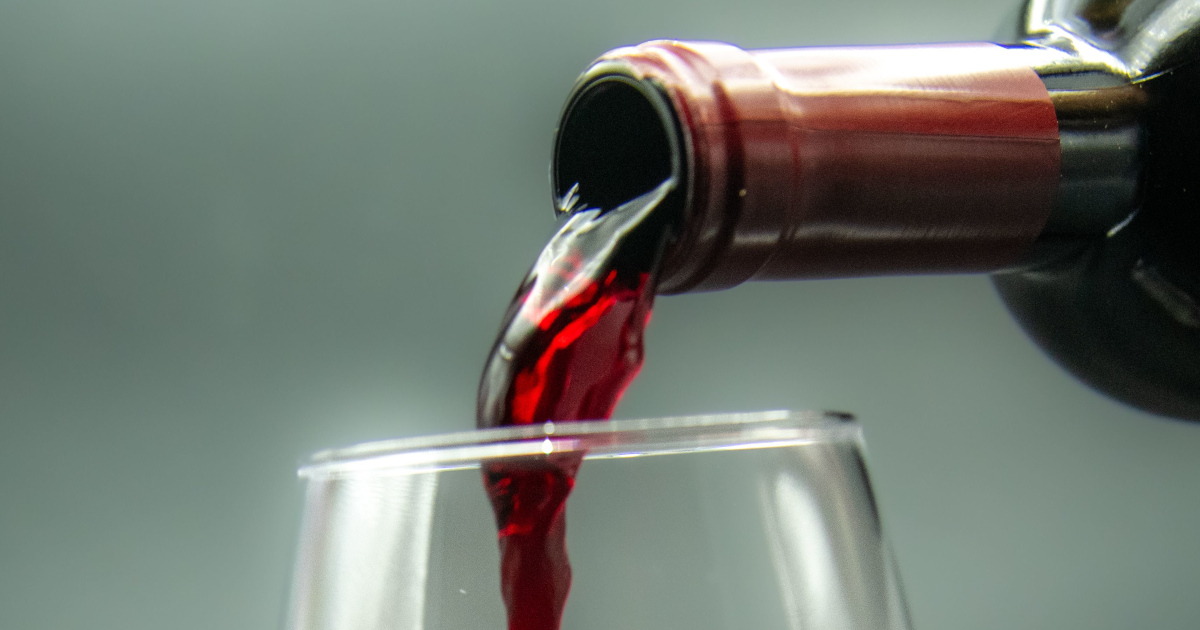
Pour an Alexander Valley Cabernet next to a well-known Napa bottle at three times the price, and don’t be surprised if the Sonoma glass holds its own. It happens often enough at blind tastings that it’s become something of a running joke among Sonoma winemakers: the county’s warmest, sunniest appellation has been quietly making Bordeaux-caliber Cabernet for half a century, and most of the country still thinks of Sonoma as Pinot Noir and Chardonnay country.
Alexander Valley Cabernet has earned its reputation the slow way — through decades of vineyards learning exactly what this particular stretch of land wants to grow. Here’s what actually shapes that reputation, and why the next few months are the right time to go taste it for yourself.
Where Alexander Valley Sits
Alexander Valley is the northernmost appellation in Sonoma County, running along the Russian River roughly from Cloverdale down through Geyserville toward Healdsburg. The Mayacamas Mountains rise along its eastern edge, separating it from Napa Valley just a few miles away as the crow flies — which is part of why the two regions can produce Cabernet with a family resemblance, even though they rarely get grouped together in conversation.
It’s also Sonoma’s largest fully-planted wine region, with roughly 15,000 vineyard acres spread across a mix of valley floor and benchland. Growers here informally divide the appellation into five districts running north to south — Cloverdale, Geyserville, Jimtown, Healdsburg, and Maacama — each with its own soil makeup and slightly different personality, even though they all fall under the same AVA label.
The soils shift noticeably as you move through those districts. Down on the valley floor, close to the river, you’ll find gravelly, well-drained alluvial soils built up over centuries of the Russian River depositing sediment — exactly the kind of low-vigor ground Cabernet vines like, since it forces the roots to work for water and concentrates flavor in the fruit. Climb up onto the benchlands toward the eastern hills, and the soil turns rockier and more volcanic in origin, a legacy of the ancient seafloor and volcanic activity that shaped this part of Sonoma long before anyone planted a vine. Wineries that source from both zones — blending valley-floor fruit with benchland fruit — are often chasing exactly that contrast: the richness of the lower ground against the structure of the hillsides.
The vertical range is wider than the flat-valley name suggests. The appellation runs roughly 20 miles long and 8 miles wide, but elevations climb from about 134 feet on the valley floor to over 2,500 feet on the surrounding ridges. That spread has become specific enough to matter formally: in 2022, a group of Alexander Valley mountain growers petitioned to carve out a new sub-appellation, Pocket Peak, separating their benchland and ridge sites from the valley floor below. It hasn’t been approved, but the fact that it was proposed at all tells you the valley-floor-versus-mountain distinction isn’t just marketing language. Alexander Valley itself wasn’t recognized as an AVA until 1984 — decades after the growers here had already proven what the ground could do.
The Heat That Makes Cabernet Possible
Ask winemakers why Cabernet does so well here, and the answer almost always comes back to heat. Alexander Valley is widely considered the warmest appellation in Sonoma County. Mountains to the west — including the ridgelines around the Rockpile AVA and Lake Sonoma — block much of the coastal fog that cools down places like the Russian River Valley or Sonoma Coast, so daytime temperatures here can run noticeably hotter than almost anywhere else in the county.
That heat matters because Cabernet Sauvignon is a thick-skinned, late-ripening grape that needs a genuinely warm growing season to fully mature — it’s part of why Cabernet struggles in Sonoma’s cooler, coastal-influenced AVAs. But Alexander Valley isn’t simply hot and done. The Russian River corridor still pulls in enough marine air each evening to swing nighttime temperatures down into the mid-40s°F, even after a warm afternoon — a daily swing of 40 to 50 degrees in many vintages. That swing is what lets the grapes build rich, ripe fruit character during the day while holding onto the acidity that keeps the finished wine balanced instead of flabby. Take away either half — the heat or the cold — and the wine gets worse. Alexander Valley has both, reliably, most years.
What Alexander Valley Cabernet Actually Tastes Like
The style that results from all that heat and swing is fairly distinct once you know what to look for. Alexander Valley Cabernet tends to show riper, more generous black fruit — blackberry, cassis, dark cherry — with softer, more approachable tannins than you’ll typically find in a mountain-grown Napa Cabernet from somewhere like Howell Mountain or Diamond Mountain. Oak-driven notes of cocoa, vanilla, and baking spice are common, and many bottlings carry a faint eucalyptus or dried-herb edge that locals will tell you is practically a regional signature.
It’s a style that tends to drink beautifully young without giving up its ability to age. That combination — approachable now, structured enough to hold for a decade or more in a good vintage — is a big part of why Alexander Valley shows up so often on “best value Cabernet” lists next to bottles carrying a Napa price tag.
See who’s pouring it right now: Browse Alexander Valley wineries by tasting fee, reservation policy, and hours →
A Short History: How Cabernet Took Over
Winegrowing in this valley goes back to the 1800s, but three moments did most of the work building its name as Cabernet country — and none of them happened in a marketing meeting.
The first was 1963, when Robert Young planted 14 acres of Cabernet Sauvignon on his family’s ranch near Geyserville, the first modern planting of the variety in the region. The Youngs had farmed that ground since 1858, mostly prunes and cattle, until a farm advisor suggested trying Cabernet instead. It worked well enough that they eventually pulled the prunes entirely and replanted the whole property to wine grapes; by the 1970s, wineries across California were competing for Robert Young fruit.
The second was Rodney Strong’s Alexander’s Crown vineyard, planted in 1971 on a hill near Jimtown. Released from the 1974 vintage, it became Sonoma County’s first vineyard-designated Cabernet Sauvignon — a formal way of saying this specific hillside is worth naming on the label, years before that was common practice anywhere in California, and two years before the 1976 Judgment of Paris put California Cabernet on the world map.
The third was Silver Oak, whose Alexander Valley story starts earlier than most people realize. Ray Duncan and Justin Meyer founded the winery in 1972, and their first seven vintages came from Los Amigos Vineyard right here in the valley — bottled simply as “North Coast,” because the AVA wouldn’t exist for another twelve years. The AVA, when it finally arrived, mostly certified what these three had already proven.
That early groundwork drew serious attention through the following decades, and today Cabernet Sauvignon accounts for well over half of all the grapevines planted in the appellation. Merlot, old-vine Zinfandel, and Chardonnay round out most of the rest — a lopsided ratio for a Sonoma County AVA, given that the county overall still leans Pinot Noir and Chardonnay. Ask anyone in the tasting rooms here what the valley is known for, and Cabernet is the answer every time.
Why Harvest Season Is the Right Time to Pay Attention
Cabernet Sauvignon is typically one of the last grapes picked each year, because it needs the longest hang time on the vine to fully ripen its thick skins and tannins. In Alexander Valley, that generally means picking runs from mid-September into October, with some blocks — particularly on cooler benchland sites — stretching into November in certain vintages.
That timing is exactly why wine-region interest in this appellation spikes every fall. Visit between September and November and you’re not just tasting finished wine — you’re arriving while the grape the entire valley is built around is actually coming off the vine. Crush pads are running, fermentation tanks are full, and the crews are working the exact blocks that will become the Cabernets showing up in tasting rooms a year or two from now.
What to Pair With It
Alexander Valley Cabernet’s riper fruit and softer tannins make it more food-flexible than a leaner, more tannic mountain Cabernet, which really wants a fatty steak to stand up to it. This style has enough structure for red meat but enough ripe fruit to work with a wider range of dishes.
A few pairings that hold up well:
- Grilled tri-tip or ribeye — the classic match, and the one most tasting rooms will suggest first. The char and fat play well against the wine’s dark fruit and moderate tannin.
- Braised short ribs or lamb shank — slow-cooked, richly sauced dishes match the wine’s ripeness without fighting its tannin structure.
- Aged cheddar or gouda — the wine’s cocoa and spice notes pair naturally with nutty, aged cheeses, making it a solid choice for a cheese-board-forward tasting.
- Mushroom-based dishes — an easy vegetarian option; earthy mushroom flavors echo the wine’s dried-herb and forest-floor undertones.
If you’re building a full day around the varietal, most Alexander Valley tasting rooms lean into this pairing-friendly reputation — plenty offer a food-and-wine pairing flight alongside the standard tasting menu, particularly during harvest season when the kitchen is working with the same seasonal ingredients the valley is known for.
Where to Taste It
Here’s the part that surprises first-time visitors: “Alexander Valley Cabernet” isn’t one style. It’s a range, and the range is the point. Taste any two of these back to back and the label starts to feel less like a house style than a shared address.
Silver Oak sits on Highway 128 in a LEED Platinum-certified, barn-inspired winery that opened in 2017, built around 113 estate acres and 75 acres of Cabernet vineyard. The house makes exactly one varietal and ages it entirely in American oak rather than the French oak most of its Sonoma neighbors favor — a signature that reads as vanilla, coconut, and dill on the nose instead of baking spice. Whether that lands as classic or old-school probably depends on which camp you’re already in.
Robert Young Estate Winery, a short drive away in Geyserville, tells the origin story from the inside. Six generations of the same family have farmed the property since 1858, and the winery itself — founded in 1997, decades after the vineyard made its name — exists specifically to showcase estate Cabernet and Bordeaux blends under the family’s own label.
Rodney Strong Vineyards farms several distinct Alexander Valley sites today, from valley-floor blocks near Jimtown up to higher hillside fruit, and bottles them separately specifically so you can taste what elevation does to the same grape.
Stonestreet Estate Vineyards takes the opposite approach from the valley floor entirely. Its fruit comes from roughly 170 micro-vineyards scattered across the west side of the Mayacamas range, at elevations from 400 to 2,400 feet, in volcanic soil that has nothing in common with the gravelly loam below. The resulting Cabernet leans toward crushed rock, mountain sage, and firmer, longer-aging tannins — a genuinely different wine from anything made a few hundred feet lower.
Two more worth building around: Jordan Vineyard & Winery made its reputation on a Bordeaux-style Cabernet from its Alexander Valley estate and remains the most recognizable name to come out of the region, while Alexander Valley Vineyards, on land the Wetzel family has farmed since the 1960s, offers a laid-back, family-run counterpoint to the bigger estates.
That’s a starting list, not a complete one. With dozens of wineries pouring Alexander Valley Cabernet across five distinct districts, the fastest way to build a day that matches your taste and schedule is to search by open hours and reservation policy rather than working from a fixed list.
Planning Your Alexander Valley Cabernet Day
The whole appellation runs along Highway 128, which makes it one of the easier Sonoma AVAs to string together into a single day — but “easier” doesn’t mean casual.
- Reserve ahead. Several of the wineries above require reservations for anything beyond a walk-in bar tasting, especially on weekends. Silver Oak allows walk-ins for small groups but recommends booking; estate and hillside experiences elsewhere typically require it.
- Pace for the heat. This is Sonoma’s warmest AVA for a reason. Midday tastings in July and August can run hot, particularly at valley-floor properties with less tree cover. Water, sun protection, and a realistic three-winery ceiling will serve you better than an ambitious five-stop itinerary.
- Mix elevations on purpose. Pairing a valley-floor tasting with a hillside or mountain-fruit tasting on the same day is the single best way to actually taste what soil and elevation do to one grape — far more instructive than visiting four wineries at the same elevation and wondering why they all taste similar.
- Come for harvest if you can. Cabernet here typically comes in through September and October, and several estates open up crush-season experiences you won’t see the rest of the year.
Not sure which bottle fits your palate? Try the Wine Concierge tool → for a personalized recommendation based on what you already like to drink.
Frequently Asked Questions
What makes Alexander Valley Cabernet different from Napa Cabernet?
Alexander Valley Cabernet tends to be riper and more fruit-forward, with softer tannins than a typical Napa mountain Cabernet, thanks to the appellation’s warm days and cooling Russian River nights. It’s also generally priced well below comparable Napa bottlings.
Is Silver Oak Cabernet Sauvignon from Napa or Sonoma?
Silver Oak makes Cabernet Sauvignon from both. The original winery is in Oakville, Napa Valley, while a second, separate estate and tasting room in Alexander Valley produces its own distinct Alexander Valley Cabernet. They’re bottled and sold as two different wines.
Why is Alexander Valley considered Sonoma’s warmest AVA?
Mountains to the west block most of the coastal fog that cools nearby AVAs like the Russian River Valley and Sonoma Coast, so Alexander Valley runs hotter during the day. The Russian River still delivers enough evening cooling to swing temperatures down into the mid-40s°F at night, which keeps the grapes balanced.
When is the best time to visit Alexander Valley for harvest season?
Cabernet is typically picked from mid-September through October, with some blocks stretching into November. Visiting during that window is the best way to see active crush and fermentation, rather than just tasting finished wine.
Do Alexander Valley wineries require reservations?
Most do, at least for anything beyond a basic bar tasting, and especially on weekends and during harvest. A few, like Silver Oak, allow walk-ins for small groups. Booking online or calling a few days ahead is the safer default across the valley.
What other wines does Alexander Valley produce besides Cabernet?
While Cabernet Sauvignon dominates — well over half of planted acreage — the appellation also produces Merlot, Zinfandel, Chardonnay, and smaller amounts of Sangiovese and other varietals.
Which wineries are known for Alexander Valley Cabernet?
Jordan Vineyard & Winery, Alexander Valley Vineyards, Silver Oak, Rodney Strong, Robert Young Estate Winery, and Stonestreet Estate Vineyards are among the appellation’s most recognized names, though dozens of smaller producers also grow and bottle it, from valley-floor family operations to high-elevation mountain fruit.
Alexander Valley isn’t trying to out-Napa Napa. It’s making Cabernet on its own terms — warm days, cool nights, and five decades of growers figuring out exactly what this stretch of the Russian River wants to produce. Visit during harvest season and you’ll taste the reason it’s earned the comparison in the first place.
Planning more than one AVA into your trip? Our guide to a Sonoma wine weekend covers how to pace multiple valleys without burning out, and our visit guide to Jordan Winery — another Alexander Valley estate, with its own take on Cabernet — is a natural next stop.