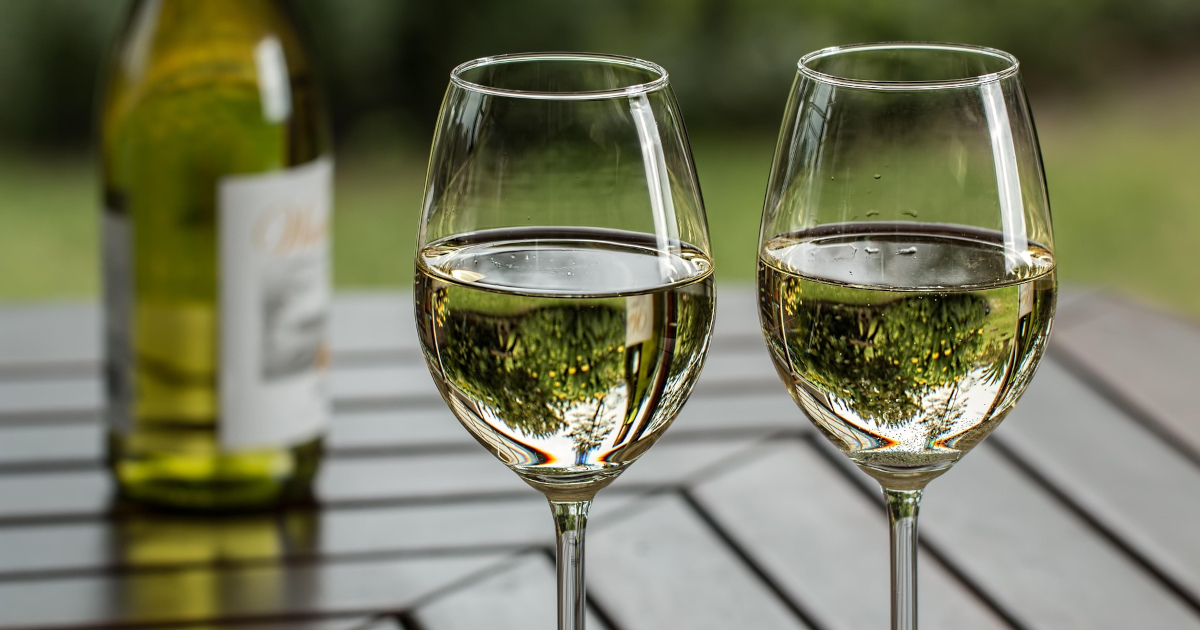
Ask someone what wine they want and the answer you hear more than any other isn’t a grape or a region — it’s a style. “Dry white.” It’s shorthand that covers a lot of ground. It means they know what they don’t want (sweetness, stickiness, that vaguely fruity thing that comes in a blue bottle). What they actually want varies considerably more than the phrase suggests.
Sonoma County is one of the best places in the world to explore exactly what “dry white wine” means in practice. The region produces a range of white wines — across a dozen different varietals, in climates that run from fog-heavy coastal cool to sun-soaked inland warmth — that demonstrate just how wide that category actually is. Bone-dry Sauvignon Blanc from Dry Creek Valley. Lush, barrel-fermented Chardonnay from Chalk Hill. Aromatic Viognier and mineral-driven Pinot Gris and crisp Albariño. All of them dry. All of them tasting completely different from each other.
This guide covers what dry actually means in a white wine, which Sonoma varietals deliver it best, which AVAs are worth prioritizing, and how to put together a tasting plan that’s worth the drive.
What “Dry” Actually Means in the Glass
Dry is one of those wine terms that sounds technical and turns out to be simple once someone explains it once.
A dry wine is one where virtually all the grape sugar has been converted to alcohol during fermentation. The yeast consumes the sugar, produces alcohol, and when fermentation runs to completion, there’s almost nothing sweet left. “Residual sugar” — the technical term for what’s left behind — is typically below two grams per liter in a bone-dry wine. For reference, a ripe peach has roughly ten times that.
The confusion is that dry wines can still taste fruity. This trips people up constantly. Fruit flavor and sugar are different things. A Sauvignon Blanc can have vivid grapefruit and passion fruit aromas with zero residual sweetness. What you’re tasting is the flavor compounds in the grape skin and pulp, not sugar. True sweetness — the kind that coats your tongue and lingers — is a distinct sensation, and in a dry wine it’s simply not there.
The practical upshot: if you like white wines that feel clean and crisp on the finish rather than soft and rounded, you want dry. Sonoma has a lot to offer you.
Sonoma’s Dry White Wine Lineup
Sonoma County grows an unusually wide range of white varieties for a single American wine region. Here are the ones worth knowing.
Chardonnay is the flagship, with around 290 active tasting rooms across the county pouring some expression of it. Sonoma Chardonnay spans a style range that can feel almost comically broad — from lean, stony, almost-Chablis examples from the cold Russian River Valley floor to rich, voluminous, barrel-fermented expressions from warmer inland sites like Chalk Hill. All of them dry. The style variation comes from climate and winemaking choices, not sugar level.
Sauvignon Blanc is Sonoma’s most food-friendly dry white and arguably its most underappreciated. Over 130 tasting rooms pour it. At its best in Sonoma — particularly in Dry Creek Valley and Alexander Valley — it’s herbaceous, citrus-forward, and laser-focused on acidity, with none of the tropical fruit softness that warmer climates can push toward. If you’ve had a New Zealand Sauvignon Blanc and wondered whether California could match that brightness, Sonoma often can.
Pinot Gris occupies interesting middle ground between the richness of Chardonnay and the sharpness of Sauvignon Blanc. Sonoma’s cooler coastal sites produce a Pinot Gris with genuine texture and stone fruit character without the weight of a barrel-aged Chardonnay. Worth seeking out if you want something outside the expected.
Viognier is a more perfumed option — stone fruit and floral on the nose, full in body — that pairs particularly well with Asian-influenced dishes and spiced preparations. It runs dry despite the aromatic intensity that can read as sweet on first sniff.
Albariño, originally from Galicia in northwestern Spain, has found a natural home in Sonoma’s coastal microclimates. Dry, high in acid, mineral, and saline-edged — it’s the white wine for people who also drink a lot of oysters and shrimp.
Riesling and Gewürztraminer both show up in Sonoma in dry styles, though they’re more commonly made with some residual sweetness. When you encounter them at a tasting room, ask the host about the RS level — it matters more with these two than almost any other variety.
Ready to find Sonoma’s dry white wine producers? Browse our full tasting room directory and filter by varietal to build your list before you go.
The Sonoma AVAs That Deliver Best
Where the grapes grow shapes the wine as much as the varietal does. Sonoma County has 19 AVAs and not all of them are equal for dry whites.
Russian River Valley is the gold standard for Chardonnay. The fog-influenced climate produces a tight, mineral expression with high natural acidity and stone fruit character that makes the wines age well. If you want Chardonnay that feels more Burgundian than Californian — restrained, precise, with a long finish — this is the first place to look. Ramey Wine Cellars and Dutton-Goldfield Winery both build serious Chardonnay programs off this fruit. The tasting rooms along Westside Road and through Guerneville have a density that lets you visit two or three estates in a morning without rushing.
Chalk Hill, a sub-AVA of the Russian River Valley but meaningfully warmer, produces a fuller-bodied style of Chardonnay. The volcanic ash soil here concentrates flavor in a way that gives the wines texture and depth. If you liked the Russian River style but want something richer, Chalk Hill is the logical next stop.
Dry Creek Valley is Zinfandel country on red wine day trips, but for whites it’s where Sonoma’s best Sauvignon Blanc tends to come from. The benchland sites produce a version with real structure and herbaceous character — more Loire Valley than New Zealand in style, more compelling with food than most California Sauvignon Blanc. Quivira Vineyards, farming biodynamically on the valley floor, is an easy first stop for it.
Sonoma Coast covers a large and variable territory, but its coldest sites — particularly near Bodega Bay and the True Sonoma Coast designation — produce whites with electric acidity and bracing mineral character. Chardonnay and Pinot Gris from these sites are among the most striking whites made anywhere in California; Red Car Wine is one of the producers working that cold western edge.
Alexander Valley runs warm enough to develop ripeness in varieties like Viognier and Roussanne that need heat to express themselves. If you’re interested in Rhône-style white wines, this is the part of Sonoma to focus on.
How to Taste for Dryness at a Tasting Room
Once you’re actually in front of a flight, knowing what to look for makes the difference between a generic experience and one that actually teaches you something.
The most useful thing to pay attention to is the finish. In a dry white wine, the impression of fruit fades within a few seconds of swallowing, leaving behind a cleaner sensation — acidity, maybe a touch of bitterness or minerality, but nothing that lingers like sweetness does. If a wine coats the inside of your mouth and the fruit impression hangs around for ten or fifteen seconds, there’s residual sugar doing work there.
Ask your host about fermentation style as much as grape variety. Two Chardonnays can taste radically different based on whether they went through malolactic fermentation (a secondary process that converts malic acid to softer lactic acid), how long they sat on the lees (spent yeast cells that add texture and complexity), and what percentage saw new oak barrel aging. These choices shape the style far more than most people realize.
If you’re unsure whether you want your white wine oaky or not, the easiest question to ask is: “Do you have anything that’s primarily stainless or concrete fermented?” An unoaked Chardonnay from Sonoma can be revelatory if you’ve only ever tasted the heavily wooded version.
Building a Dry White Wine Day in Sonoma
The most efficient approach to a Sonoma white wine day is to pick one or two AVAs and go deep rather than sampling across the county. The geography rewards focus.
A Russian River Valley morning focused on Chardonnay, followed by a Dry Creek Valley afternoon for Sauvignon Blanc, gives you a meaningful contrast without requiring a four-hour drive. Add a lunch stop in Healdsburg between the two — a glass of something you already know you like, food that’s actually good — and you have a day that doesn’t end with palate fatigue.
The wineries in both AVAs that accept walk-ins are a meaningful subset of the total, and that subset shrinks considerably at the estates worth visiting. Booking ahead is strongly recommended for anything on your must-visit list. Weekday availability is almost always better than weekend, even in shoulder season.
If you have specific varietal preferences — you know you want to find Sonoma’s best Albariño or you’re trying to identify a Chardonnay for a dinner party — describing that to a tool rather than researching it manually saves considerable time.
Not sure which wineries to prioritize? Describe what you’re looking for — varietal, style, walk-in friendly, budget — and get a personalized Sonoma tasting recommendation in seconds.
Dry White Wine in Sonoma: Frequently Asked Questions
What is the best dry white wine in Sonoma County?
There isn’t a single best — Sonoma’s strength is range. For the most compelling Chardonnay, start with the Russian River Valley (lean, mineral, high-acid) or Chalk Hill (fuller, richer, volcanic soil character). For Sauvignon Blanc, Dry Creek Valley and Alexander Valley are the places to look. For something less expected, seek out Sonoma Coast Pinot Gris, Dry Creek Albariño, or Alexander Valley Viognier. What’s “best” depends entirely on what kind of dry white wine you’re looking for.
How do I know if a white wine is dry before I buy or taste it?
If you’re at a tasting room, ask the host directly — they’ll know the residual sugar level and won’t be offended by the question. If you’re buying retail, varietals like Sauvignon Blanc, Muscadet, Pinot Grigio (Italian style), and unoaked Chardonnay are reliably dry. Wines labeled as “late harvest,” “demi-sec,” or “spätlese/auslese” are typically sweet. In Sonoma specifically, the vast majority of white wines poured at tasting rooms are dry — it’s the regional default.
Is Chardonnay a dry white wine?
Yes. Chardonnay is fermented dry in virtually every commercial expression. What sometimes reads as “sweetness” in a heavily oaked Chardonnay is actually vanilla flavor from new oak barrels, which can mimic sweetness without adding sugar. If you’ve avoided Chardonnay because you found it too rich or too “sweet-tasting,” try an unoaked or lightly oaked version from the Russian River Valley — it’s a very different wine.
Which Sonoma AVAs are best for white wine tasting?
Russian River Valley for Chardonnay, Dry Creek Valley for Sauvignon Blanc, and Sonoma Coast for the most bracing, mineral-forward whites. If you want richer, fuller-bodied white wines, Chalk Hill and Alexander Valley run warmer and produce Chardonnay and Viognier with more weight and texture. For a single-AVA day trip focused on variety, the Russian River Valley has the most tasting room density relative to the quality of what’s being poured.
What food pairs best with dry white wine?
Dry white wines are among the most food-flexible wines made — which is a big part of why the category is so popular. Chardonnay works with roasted chicken, salmon, cream sauces, and aged cheeses. Sauvignon Blanc is excellent with goat cheese, raw oysters, green herbs, and fish in citrus preparations. Albariño and Pinot Gris both love shellfish and anything with bright acid in the dish. The general rule: the more crisp and mineral the wine, the better it pairs with light, delicate food. The richer the wine, the more it can hold up against fat and umami.
Browse the full list of Sonoma County white wine producers — filter by varietal, reservation policy, and AVA — at Sonoma Wineries.