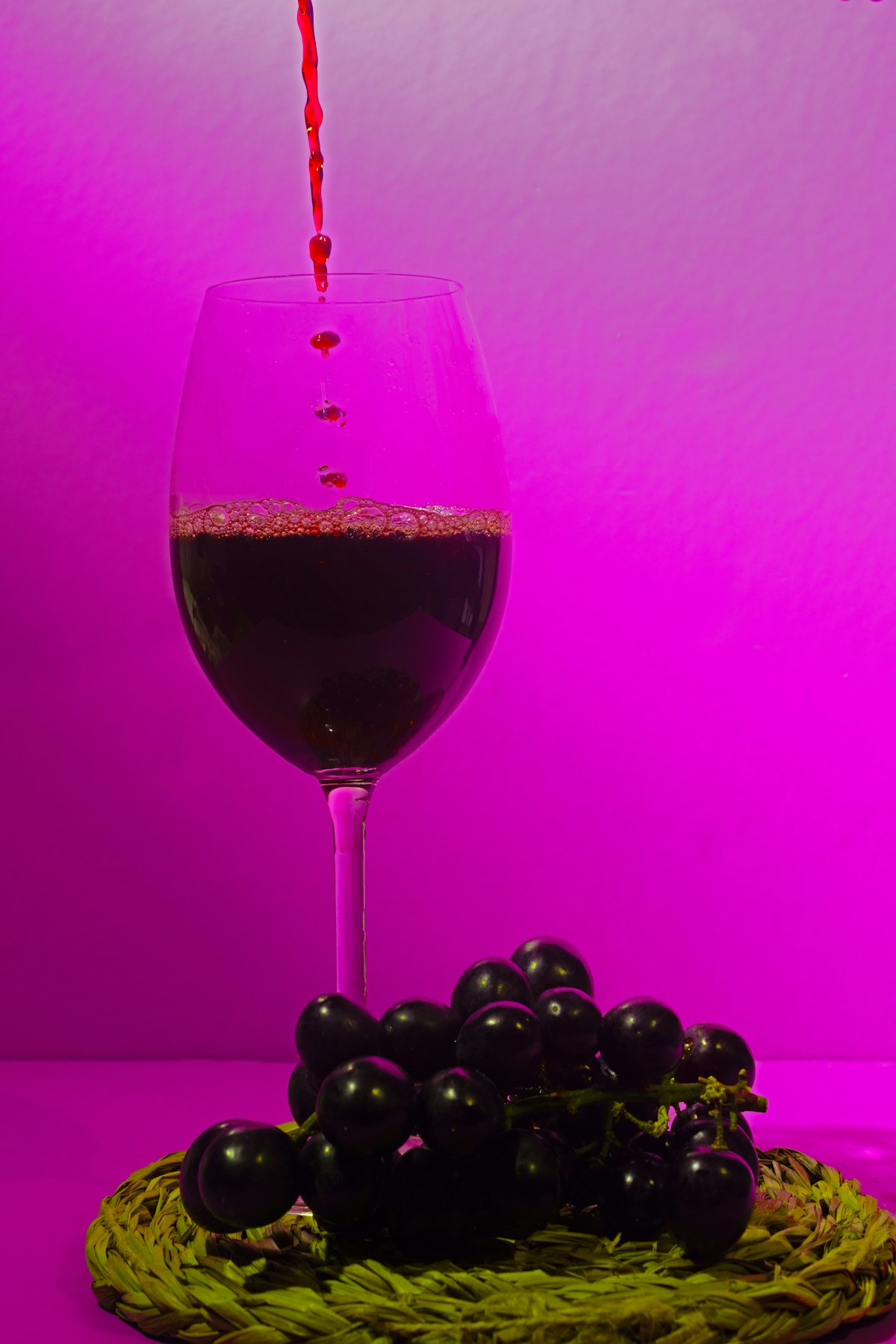
Sonoma County has just 209 acres of Grenache in the ground, compared with more than 12,478 acres of Cabernet Sauvignon. And yet ask five Sonoma winemakers what they’re most excited to pour right now, and at least two will say Grenache before they say anything else. It’s a grape with almost no acreage and an outsized amount of attention.
What Is Grenache Wine?
Grenache is a red wine grape—sold as Garnacha in Spain, where it originated—that produces medium-to-full-bodied wines built around bright red fruit, a streak of white pepper spice, and soft, approachable tannins. It’s pronounced greh-NAHSH, and it’s one of the most widely planted red grapes on earth, even though in Sonoma it’s treated almost like a specialty crop.
The grape traveled from Aragón in northern Spain into southern France, where it became the backbone of Châteauneuf-du-Pape and most of the Southern Rhône—often making up 80% or more of those blends. That French pedigree is why Grenache gets filed under “Rhône varietals” alongside Syrah, Mourvèdre, and Viognier, and why Sonoma producers who grow it tend to grow the rest of that family too.
Grenache isn’t only red. Grenache Blanc (greh-NAHSH BLAHN) is a white mutation of the same vine, and Grenache Noir is routinely pressed into rosé—both show up on Sonoma tasting menus alongside the red. If a wine list separates “Grenache” from “Garnacha,” it’s the same grape wearing two different national labels.
Why Sonoma Winemakers Are Suddenly Obsessed With It
Grenache is a late-ripening, heat-loving grape, which is exactly why it’s never going to challenge Pinot Noir for acreage in the cool, fog-drenched Russian River Valley. It wants the kind of warm, Mediterranean-style afternoons the southern Rhône is known for—and Sonoma has a handful of pockets that deliver that.
Dry Creek Valley is the closest thing Sonoma has to a Grenache epicenter. The valley’s warm days and cooling evening air have long supported Rhône varietals alongside its famous old-vine Zinfandel, and a cluster of small producers there—Unti Vineyards, Kokomo Winery, and Quivira Vineyards & Winery among them—have built real expertise in it. But Grenache isn’t confined to one AVA. On Sonoma Mountain, volcanic soils and wild herb scrub give Benovia Winery’s estate fruit a savory, cedar-and-herb edge, while Dot Wines sources its award-winning bottling from a single Russian River Valley vineyard—proof the grape can do more than one thing well here.
There’s also a climate argument for paying attention now rather than later. As Sonoma’s growing season trends warmer, a heat-loving, drought-tolerant grape like Grenache is exactly the kind of variety winegrowers expect to see more of in the next decade—not less.
Grenache is also one of the last grapes off the vine each year. It ripens even later than Zinfandel, which means Sonoma’s Grenache blocks are often still hanging into late September and October, well after Chardonnay and Pinot Noir have already been picked and pressed. If you’re visiting during harvest season, a Grenache vineyard is one of the more reliable places to actually see crush happening rather than just hear about it secondhand.
How Does Grenache Compare to Sonoma’s Other Reds?
If Sonoma Zinfandel is the loud, brambly extrovert of the tasting room and Pinot Noir is the delicate, high-maintenance one, Grenache sits somewhere in between—closer to Zinfandel in its fruit-forward warmth, but without quite as much jammy weight or tannic grip. It’s more approachable young than Cabernet Sauvignon, doesn’t demand the patience Pinot Noir sometimes does, and rarely needs the years of cellar time a serious Alexander Valley Cabernet does before it opens up.
That in-between quality is a big part of why winemakers keep returning to it. It’s food-friendly in a way big, tannic reds aren’t, interesting enough to hold a wine geek’s attention, and unfamiliar enough that pouring it at a dinner party still gets a reaction. In a county that built its reputation on Zinfandel, Pinot Noir, and Cabernet, Grenache is the grape that lets a producer say something different without straying outside what Sonoma actually grows well.
GSM, Blanc, and Rosé: Grenache Wears Several Hats
If you’ve seen “GSM” on a label, that’s Grenache-Syrah-Mourvèdre, the classic Southern Rhône red blend, and it shows up across Dry Creek Valley in versions built to be more food-friendly and lower-alcohol than a straight Cabernet. Unti Vineyards is a good place to see the grape’s full range in one visit—their lineup typically includes a Grenache Noir, a Grenache Blanc made in a crisp, high-acid style closer to Chablis than to a typical California white, and a Grenache Noir rosé, all from the same Dry Creek Valley fruit.
As one longtime Sonoma restaurateur who has built entire wine lists around Rhône varietals put it, what she loves most about Grenache is how differently it can taste depending on who’s making it and how—jammy and opulent in one glass, laser-focused and earthy in the next. That range is the whole appeal. It’s not a grape with one signature style the way Cabernet Sauvignon is; it’s a grape that reflects the site and the winemaker’s choices more than most.
Ready to find your own favorite? Browse Sonoma County’s wineries and filter by varietal to track down a Grenache pour near you.
What Grenache Tastes Like—and What to Serve With It
Expect ripe red fruit first: strawberry, raspberry, and a little blood orange, backed by a distinct white pepper spice. Tannins run soft and acidity moderate, which is part of why Grenache drinks easily even when the alcohol runs high—13.5–15%-plus isn’t unusual, since the grape accumulates sugar fast in the sun. With age, Grenache tends to pick up leather, tobacco, and dried-herb notes, and even young examples can show a little browning at the rim; that’s normal for the variety, not a flaw.
At the table, Grenache’s brightness and moderate tannin make it one of the more food-flexible reds in Sonoma. It holds up to grilled and roasted meats without overpowering them, plays well with Mediterranean and Spanish-leaning dishes—lamb, olives, cured meats, dishes built on cumin or smoked paprika—and its acid cuts nicely through anything tomato-based. The rosé versions do the same job at a lighter register: think grilled vegetables, charcuterie, or anything you’d want on a warm-weather patio.
Where to Taste Grenache in Sonoma County
A handful of Sonoma producers have made Grenache worth a special trip, not just a curiosity on the tasting list.
Unti Vineyards (Healdsburg, Dry Creek Valley) built its identity on Rhône and Italian varieties and pours all three expressions of Grenache—Noir, Blanc, and rosé—from estate fruit.
Kokomo Winery (Healdsburg, Dry Creek Valley) has been working with Grenache since the mid-2000s, sourcing from grower Randy Peters’ Dry Creek Valley vines for both a red and a rosé bottling.
Meeker Vineyard (Healdsburg) built its name on Zinfandel but has quietly made Grenache one of its most requested pours, with a style that leans into red plum, white peach, and dried tea leaf.
Benovia Winery (Santa Rosa) is best known for Russian River Valley Chardonnay and Pinot Noir, but its Sonoma Mountain Grenache—grown on volcanic soil in a single family-owned vineyard—is a favorite among staff for its savory, layered style.
Dot Wines (Healdsburg) is the newest name on this list and arguably the most decorated: its Russian River Valley Grenache took home a Double Gold at the North Coast Wine Challenge and was rated the top wine of the varietal in the competition.
Amista Vineyards (Healdsburg, Dry Creek Valley) grows Grenache alongside Chardonnay, Syrah, and Mourvèdre on a steep hillside estate, and pours a sparkling Grenache worth seeking out if you want to see the grape do something unexpected—dry and clean, but with the visual trick of tasting sweeter than it is.
Frick Winery (Geyserville, Dry Creek Valley) leans furthest into the Rhône side of Grenache’s identity, working it into both a red and a white Côtes-du-Dry Creek blend alongside Syrah, Viognier, Cinsaut, and Counoise—a useful stop if you want to taste Grenache in blend form rather than on its own.
If you’re building a full day around Dry Creek Valley’s Rhône producers, our guide to planning a Sonoma wine weekend already routes a morning through that AVA and is worth pairing with this one.
Grenache is exactly the kind of grape that rewards following along as new vintages release. Join the newsletter for Sonoma wine news, new tasting rooms, and seasonal picks in your inbox.
Frequently Asked Questions
What is Grenache wine?
Grenache is a red wine grape, known as Garnacha in Spain, that produces medium-to-full-bodied wines with bright red fruit, white pepper spice, and soft tannins. It’s the dominant grape in most Southern Rhône blends, including Châteauneuf-du-Pape, and it’s also made into a white version (Grenache Blanc) and a widely loved rosé.
How do you pronounce Grenache?
Grenache is pronounced greh-NAHSH, with the emphasis on the second syllable—it rhymes loosely with “cash,” not “awash.” Its white sibling, Grenache Blanc, is pronounced greh-NAHSH BLAHN. Garnacha, the Spanish name for the same grape, is pronounced gar-NAH-cha, with the stress landing on the middle syllable rather than the first.
Is Grenache the same grape as Garnacha?
Yes. Grenache and Garnacha are the same grape variety, believed to have originated in the Aragón region of northern Spain. French winemakers call it Grenache; Spanish winemakers call it Garnacha. The grape is also known as Cannonau in Sardinia and by several other regional names.
What does Grenache taste like?
Grenache is known for ripe red fruit—strawberry, raspberry, and cherry—paired with white pepper spice and soft, low-to-moderate tannins. It’s typically medium-to-full-bodied with fairly high alcohol, since the grape ripens late in warm conditions. Aged Grenache develops leather, tobacco, and dried-herb notes.
What food pairs well with Grenache?
Grenache’s bright fruit and soft tannins make it a flexible pairing for grilled and roasted meats, lamb, and Mediterranean or Spanish-leaning dishes with cumin, paprika, or dried herbs. Its moderate acidity also holds up well against tomato-based sauces. Grenache rosé pairs well with lighter fare like grilled vegetables or charcuterie.