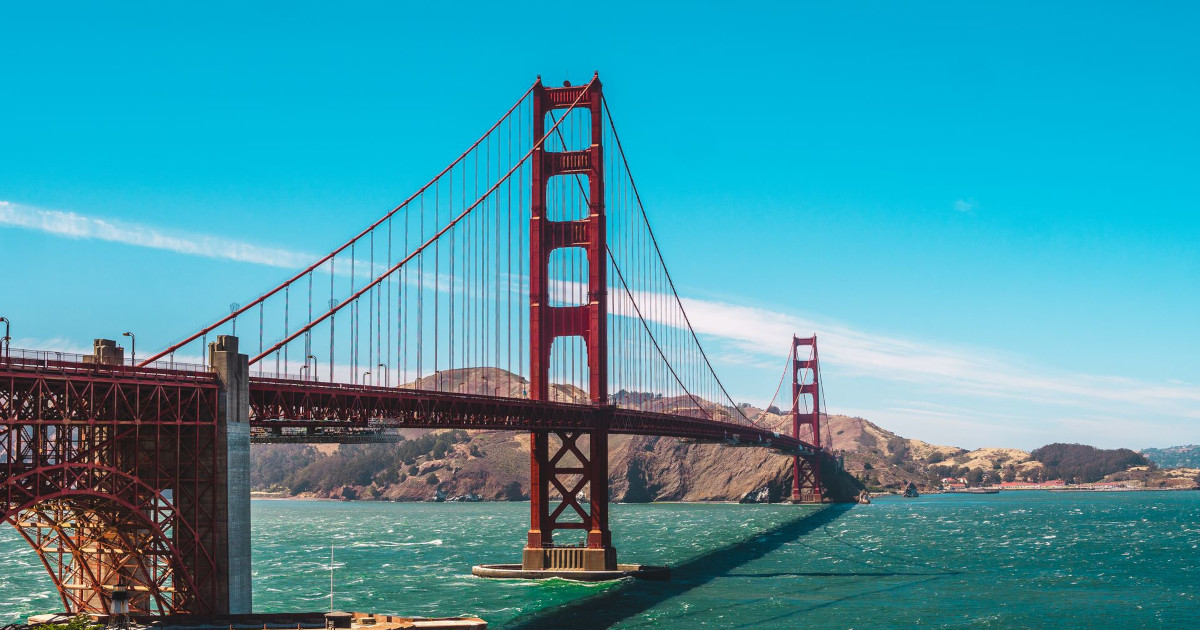
More than 7 million visitors travel to Sonoma County each year, drawn by world-class wines, a Mediterranean climate, and a landscape that ranges from Pacific coastline to rolling vineyard hills. Wine tourism alone generates $1.2 billion in annual visitor spending across the county.
Despite those numbers, Sonoma County somehow stays less crowded, less expensive, and more relaxed than neighboring Napa Valley. But it’s also a big, geographically diverse place — roughly 1,600 square miles with 19 distinct wine appellations and more than 400 wineries. Without a plan, you’ll waste time driving between far-flung corners of the county and miss the spots you’d love most.
This guide covers the practical logistics Wikipedia doesn’t: how to get here, where to base yourself, how much to budget, what to do beyond wine, and how to structure your days so the trip feels unhurried rather than overscheduled.
Getting to Sonoma County
You have three realistic airport options, each with different tradeoffs:
Charles M. Schulz–Sonoma County Airport (STS) in Santa Rosa is the most convenient option, putting you in the heart of wine country the moment you land. It’s a small regional airport with daily service on Alaska Airlines, American Airlines, and United. The downside is fewer routes and higher fares — you’ll likely need a connecting flight, and rental car selection is limited compared to larger airports. But the 15-minute drive to Healdsburg or 30 minutes to the town of Sonoma can’t be beat.
San Francisco International Airport (SFO) is the most popular gateway. It’s roughly 75 miles south — about 90 minutes to Santa Rosa or Healdsburg without traffic, though Friday afternoon drives can stretch to two hours or more. SFO offers the widest flight selection and competitive fares, plus full-service rental car facilities.
Oakland International Airport (OAK) is approximately 76 miles southeast and often has cheaper fares than SFO. Drive time is comparable — about 90 minutes to most Sonoma County wine towns, though you’ll cross the Richmond–San Rafael Bridge, which can bottleneck during commute hours.
Groome Transportation runs scheduled shuttle service between Sonoma County and both SFO and OAK if you’d rather not rent a car immediately.
A rental car is essential. Unlike San Francisco or even parts of Napa Valley, Sonoma County’s wineries are spread across rural roads with minimal public transit connecting them. You’ll want a car for the duration of your visit. The one exception: if you’re staying in downtown Healdsburg or the town of Sonoma and plan to walk between urban tasting rooms only.
Where to Stay: Picking the Right Home Base
Sonoma County has approximately 6,600 hotel rooms and 2,500 vacation rental properties. Where you base yourself should match the wines and experiences you’re most interested in.
Healdsburg — The Wine Lover’s Town
Healdsburg is Sonoma County’s most walkable wine town and the epicenter of the northern Sonoma wine scene. More than a dozen tasting rooms line the streets around the central plaza — Portalupi Wines among them — and the Dry Creek Valley, Alexander Valley, and Russian River Valley AVAs are all within a 15-minute drive. Healdsburg has excellent restaurants, boutique shopping, and a polished but unpretentious vibe.
The catch is price. Healdsburg is the most expensive base in Sonoma County, particularly on weekends during harvest season. Hotels range from $200 to $600+ per night; book well in advance for weekend stays. Weekdays are significantly more affordable.
Town of Sonoma — History and Value
The town of Sonoma anchors the southern end of the county and offers a more historic, less commercialized feel. Sonoma Plaza — the largest town square in California — is surrounded by tasting rooms, restaurants, and shops, with Sebastiani Vineyards & Winery a short walk northeast of the square. It’s a natural base for exploring the Sonoma Valley, Carneros, and Moon Mountain AVAs.
Lodging here tends to run 30% to 40% less than Healdsburg for comparable quality. B&Bs and small inns are particularly strong in this area.
Santa Rosa — Central and Practical
Santa Rosa is Sonoma County’s largest city and the geographic center of the county. It’s not a destination town the way Healdsburg or Sonoma are, but it offers the widest range of lodging at every price point — from budget chains starting around $100 per night to boutique properties. It’s well-positioned for day trips in any direction: Russian River Valley and Dry Creek Valley to the north, Sonoma Valley to the southeast, the coast to the west. It also has wineries of its own — Paradise Ridge Winery, on a hillside above the city, is the one with the view.
Guerneville and the Russian River — Rustic and Outdoorsy
If you want to pair your wine trip with redwood forests, kayaking, and a laid-back river-town atmosphere, the Russian River corridor from Forestville through Guerneville is ideal. This area is the gateway to Russian River Valley Pinot Noir country and the Sonoma Coast, and Korbel Champagne Cellars has been making sparkling wine on the river outside Guerneville since the 1880s. Cabins, vacation rentals, and intimate inns are the dominant lodging types.
Sebastopol — Farm-to-Table and Cool-Climate Wines
Sebastopol has emerged as a hub for younger winemakers, cider producers, and the farm-to-table movement. It’s close to the Petaluma Gap and Sonoma Coast AVAs — cooler-climate territory known for exceptional Pinot Noir, Chardonnay, and Syrah, and Marimar Estate farms both of the first two on the hills west of town. Lodging options lean toward B&Bs and vacation rentals.
How Much Does a Sonoma County Wine Trip Cost?
Budget is the question everyone asks and few guides answer directly. Here’s an honest breakdown for a couple spending two full days visiting wineries, based on current 2026 pricing:
Budget-Friendly Trip (Two People, Two Days)
- Lodging: Budget hotel or vacation rental in Santa Rosa or Petaluma — $150/night × 2 = $300
- Tasting fees: 3 wineries per day × $40/person × 2 days = $480
- Meals: Mix of casual dining and picnic provisions — $200
- Gas and parking: $60
- Bottles purchased: 4 bottles average — $160
- Approximate total: $1,200
Mid-Range Trip (Two People, Three Days)
- Lodging: Boutique inn in Healdsburg or Sonoma — $275/night × 3 = $825
- Tasting fees: 3 wineries per day × $50/person × 3 days = $900
- One elevated/reserve tasting: $90/person × 2 = $180
- Meals: Mix of nice dinners and casual lunches — $500
- Wine tour/driver for one day: $500
- Bottles purchased: 6 bottles — $300
- Approximate total: $3,200
Splurge Trip (Two People, Three Days)
- Lodging: Luxury resort or vineyard estate — $500/night × 3 = $1,500
- Private car service for all three days: $1,800
- Tasting fees and elevated experiences: $1,500
- Fine dining: $900
- Bottles and wine club memberships: $600
- Approximate total: $6,300
These are estimates — your actual spending depends heavily on lodging choice, how many bottles you buy, and whether you hire a driver. The key insight is that Sonoma County is meaningfully less expensive than Napa Valley across every category, without any sacrifice in wine quality.
What to Do Beyond Wine
Sonoma County is not a one-note destination. According to the Sonoma County Visitor Intercept Survey, 81% of visitors cite winery visits as a trip motivator — but 88% also rank relaxation as a key factor, 85% come for the dining scene, and 50% are drawn by outdoor recreation.
Food and dining. Sonoma County has a serious culinary scene anchored by local farms, artisan cheese makers, and a roster of restaurants that regularly earn Michelin recognition. Healdsburg alone has several Michelin-starred restaurants. The county’s farm-to-table movement isn’t marketing — it’s geography. Many restaurants source ingredients from farms within a few miles of their kitchens.
The Pacific Coast. Bodega Bay, Jenner, and the stretch of Highway 1 through western Sonoma County offer dramatic coastal scenery, whale watching (December through April), tide pools, and some of California’s best seafood. The coast is about an hour’s drive from most wine country towns — easily combined with a winery visit on the way there or back.
Redwood forests. Armstrong Redwoods State Natural Reserve, just outside Guerneville, lets you walk among old-growth coastal redwoods — some over 1,400 years old and 300 feet tall. It’s a powerful contrast to the vineyard-covered valleys and a reminder that Sonoma County’s beauty extends well beyond wine.
Cycling. The backroads of Dry Creek Valley, Westside Road along the Russian River, and the quieter stretches of Sonoma Valley are popular cycling routes. Several companies rent bikes and offer guided cycling tours that include winery stops. Riding between wineries solves the designated driver problem and adds a physical dimension to the day.
Hot springs and spas. Sonoma County has natural geothermal springs, and the spa culture here is well-established. The Fairmont Sonoma Mission Inn in Sonoma has a historic bathhouse fed by natural mineral springs. Numerous resorts and standalone spas offer vineyard-view treatments.
History and culture. Mission San Francisco Solano in the town of Sonoma is the northernmost and last of California’s 21 Spanish missions, founded in 1823. The surrounding Sonoma State Historic Park includes the Sonoma Barracks and General Vallejo’s home — the site of the 1846 Bear Flag Revolt, where California declared independence from Mexico. Jack London State Historic Park in Glen Ellen preserves the ranch of the famous author.
Sample Itineraries
The Weekend Getaway (Two Days)
Day 1 — Sonoma Valley: Arrive, check in to your hotel near the town of Sonoma. Start at a historic estate winery in the Sonoma Valley AVA. Picnic lunch on winery grounds. Afternoon tasting at a smaller producer in Glen Ellen or Kenwood. Dinner on the Sonoma Plaza.
Day 2 — Russian River Valley: Drive north to the Russian River Valley for Pinot Noir and Chardonnay country. Morning tasting at a family-run estate. Lunch in Guerneville or Forestville. Afternoon visit to a sparkling wine producer. Stop in Sebastopol for a cider tasting or farm stand visit on the way back.
The Deep Dive (Four Days)
Day 1 — Sonoma Valley and Carneros: Historic wineries, Pinot Noir and Chardonnay in the cooler Carneros region, dinner in the town of Sonoma.
Day 2 — Dry Creek Valley and Alexander Valley: Zinfandel country. Old vine estates, rustic tasting rooms, picnic at a winery with bocce courts. Dinner in Healdsburg.
Day 3 — Russian River Valley and Sonoma Coast: Pinot Noir focus. Visit a sparkling wine producer in the morning, estate Pinot producers in the afternoon. Detour to Bodega Bay for a coastal seafood dinner.
Day 4 — Petaluma Gap and Sebastopol: Explore Sonoma County’s newer, cooler-climate frontier. Syrah, Pinot Noir, and Chardonnay from the wind-swept Petaluma Gap AVA. Farm-to-table lunch in Sebastopol. Visit a cider house or artisan cheese maker. Stop at Armstrong Redwoods if time allows.
The Non-Drinker’s Companion Trip
If you’re traveling with someone who doesn’t drink wine — or if you simply want a day off from tasting — Sonoma County delivers. Spend a day hiking at Armstrong Redwoods or Sugarloaf Ridge State Park. Drive Highway 1 from Bodega Bay to Jenner and watch for harbor seals at the Russian River mouth. Explore the town of Sonoma’s historic sites. Book a spa day. Visit the Charles M. Schulz Museum in Santa Rosa (yes, Peanuts creator Charles Schulz lived and worked here). Browse Sebastopol’s antique shops and art galleries.
Practical Tips from Locals
Book tasting room reservations before booking flights. Popular wineries, especially in Healdsburg and Russian River Valley, fill weekend slots weeks in advance. Lock in your must-visit wineries first, then build your lodging and flights around those times.
Visit on weekdays if you can. Every dimension of the trip improves midweek — lower hotel rates, easier tasting room reservations, less traffic on two-lane vineyard roads, and more personal attention from tasting room hosts.
Layer your clothing. Sonoma County mornings can be cool and foggy (mid-50s°F), especially near the coast and in the Russian River Valley, while afternoons inland can reach the 80s or 90s°F in summer. A light jacket you can peel off by noon is essential.
Eat before you taste. This sounds obvious but matters more than people realize. Have a real breakfast before your first tasting at 10:00 AM, and plan lunch between your second and third winery. Wine on an empty stomach ruins the palate and the afternoon.
Bring a cooler for the car. If you buy bottles — and you will — summer heat inside a parked car can damage wine in hours. A small cooler with ice packs protects your purchases. Many wineries will also ship directly to your home if your state allows it.
Download offline maps. Cell service is spotty on rural vineyard roads, particularly in the hills of Dry Creek Valley, Sonoma Mountain, and along the coast. Download your area maps before heading out for the day.
Designate a driver or hire one. This bears repeating. Sonoma County’s wineries are connected by winding two-lane roads with limited shoulders. DUI enforcement is active and penalties are severe. A private car service typically runs $400 to $800 for a full day and lets everyone in the group enjoy the tastings fully.
Don’t skip the small producers. The most memorable Sonoma experiences often happen at tiny, family-run wineries where you might taste with the winemaker personally. These producers make wines you’ll never find in stores — many sell their entire production through the tasting room and wine club. Ask your hotel concierge or check a winery directory for small producers in the AVA you’re visiting.
Tip your hosts. Tasting room hospitality staff work hard, and their expertise makes the experience. Five to ten dollars per person is a generous tip; a few dollars per person is a kind gesture. Tipping has become increasingly common and is always appreciated.
Frequently Asked Questions
How many days should I spend in Sonoma County?
Two full days is enough to get a satisfying taste of the region, visiting five or six wineries across two different AVAs. Three to four days lets you explore more diverse sub-regions, add non-wine activities, and avoid feeling rushed. A week allows you to cover most of the county at a leisurely pace, including coast days and culinary adventures.
Is Sonoma County good for a first-time wine trip?
It’s one of the best possible choices for a first wine country visit. Sonoma’s tasting rooms tend to be more approachable and less intimidating than Napa’s, with lower fees and a more casual atmosphere. The diversity of wines produced here means you can explore many styles — Pinot Noir, Zinfandel, Chardonnay, sparkling, rosé — without traveling far. And the non-wine attractions (coast, redwoods, dining) give the trip texture even if you’re not a devoted wine enthusiast.
When is the best time to visit Sonoma County?
Every season has advantages. Harvest season (September and October) is the most exciting and the most crowded — book months in advance. Summer (June through August) offers long warm days and peak outdoor conditions but also peak pricing. Spring (March through May) delivers wildflowers, uncrowded tasting rooms, and lower rates. Winter (November through February) is the quietest season, with the lowest prices, intimate tasting experiences, and seasonal promotions like Sonoma Sips that drop tasting fees to $15 at participating wineries.
Do I need a car in Sonoma County?
In almost all cases, yes. Public transit connections between wineries are minimal, and rideshare service is unreliable in rural areas. The exception is if you’re staying in downtown Healdsburg or the town of Sonoma and visiting only walkable tasting rooms. For vineyard estate visits — which are the experiences most people come for — a car is essential. Consider a rental car plus a hired driver for at least one day of wine tasting.
Can I visit both Sonoma and Napa on the same trip?
Absolutely — many visitors split their time between both counties. The towns of Sonoma and Napa are only about 30 minutes apart. A common approach is to spend two days in Sonoma County and one in Napa, or vice versa. The key is to pick a centrally located base (the town of Sonoma or Santa Rosa works well for both) rather than switching hotels.
What should I wear to a wine tasting?
Smart casual. Think jeans or chinos with a nice top — comfortable but put-together. Sonoma is less dressy than Napa; shorts and sandals are fine at casual tasting rooms, especially outdoors in summer. Avoid strong perfume or cologne, which interferes with the ability to smell and taste wine. Wear shoes you can walk in — some tastings include vineyard walks or uneven outdoor surfaces. Bring layers, especially in the morning.
Ready to start building your trip? Browse Sonoma County wineries by region, style, and amenities — filter by reservation policy, tasting fees, and dog-friendly patios to find the tasting rooms that match exactly what you’re looking for.