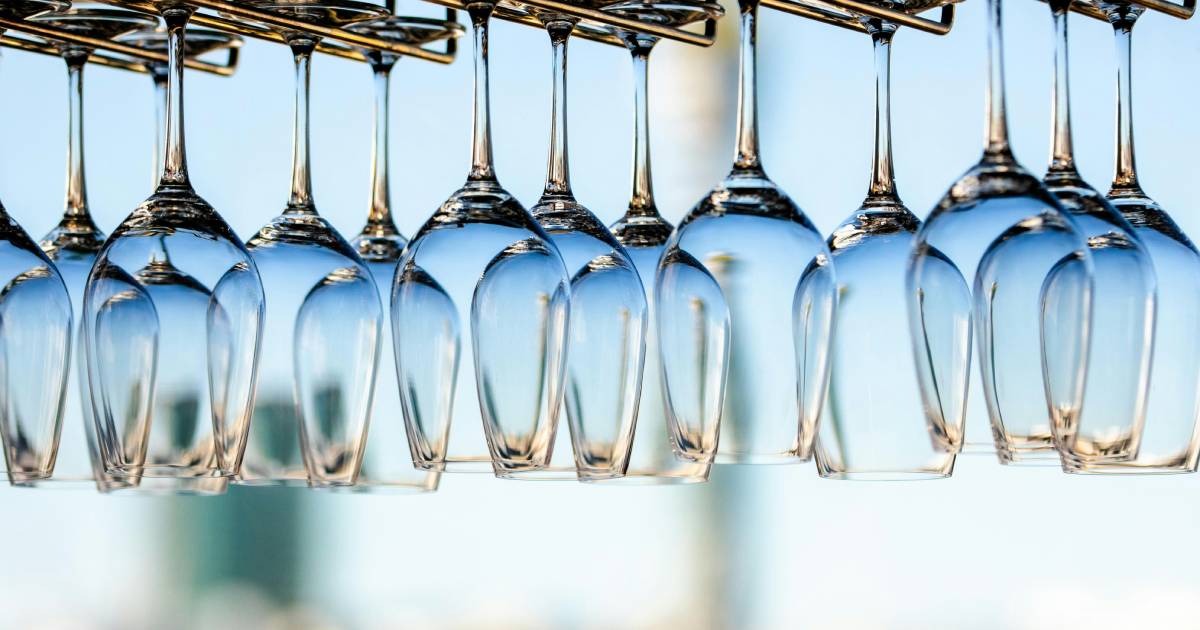
The wine glass that professional tasters use worldwide isn’t a designer choice — it’s an international standard. ISO 3591, adopted in 1977, specifies an exact shape: an elongated egg-shaped bowl on a stem, narrower at the rim than at its widest point, holding about 7.25 ounces. Sommeliers, judges, and WSET candidates all taste from some version of this same glass so that the glass itself never becomes a variable. If you’ve ever wondered whether the glass in your hand actually changes what you taste, the wine industry settled that question decades ago.
What the “standard” wine glass actually is
That ISO shape isn’t arbitrary. The narrow opening relative to the bowl does one job: it traps aromatic compounds above the wine’s surface and funnels them toward your nose in a more concentrated stream than a straight-sided glass would. Wide at the bottom, narrow at the top — that’s the whole trick, and it’s why the glass matters more than most first-time visitors expect.
Where it gets more specific is varietal shape. A Bordeaux-style glass — taller, with a slightly less pronounced taper — is built for structured, tannic reds; the shape directs the wine toward the back and sides of your tongue, past the front-palate bitterness of tannin. A Burgundy glass has a wider, rounder bowl that showcases the softer, more perfumed aromatics typical of Pinot Noir, without needing to manage heavy tannin. Neither shape is better. They’re solving different problems, which is why a winery pouring both a Cabernet Sauvignon and a Pinot Noir in the same flight is making a real trade-off if they only offer one glass style.
Material matters too, though less than shape does. Traditional lead crystal — at least 24% lead oxide by definition — has mostly given way to lead-free crystal from producers like Riedel and Zalto, which substitute barium, zinc, or potassium oxide to get similar clarity and resonance without the health question mark. You’ll notice the difference mostly in weight and in how thin the rim feels against your lip; a thinner rim delivers wine to your tongue with less interference from the glass itself.
Shopping for the wine lover in your life? Browse gifts for wine lovers →
If you’re building a home collection after a day of tasting, that’s the logic to shop by: get the shape right for what you drink most, then worry about crystal quality once you know you’ll use the glass regularly. A pair of good all-purpose stems will outperform an expensive set you only pull out twice a year.
What Sonoma tasting rooms actually pour into
Here’s the honest answer, and it’s less romantic than the ISO standard suggests: most Sonoma tasting rooms use a simplified, sturdier version of the tasting glass — not the fragile stemware a sommelier would use for a blind competition. It needs to survive a full day of pours, rinses, and the occasional bump against the tasting bar, so wineries lean toward a slightly heavier, all-purpose stem that gets close to the ISO shape without the price tag or the breakage rate.
A handful of properties do go further. At Stone Edge Farm in Sonoma, the estate’s two-Michelin-starred restaurant and seated tasting experiences mean the glassware upgrades along with the format — this isn’t a bar-top flight, and the stemware reflects that. Domaine Della in Santa Rosa pours small-lot Pinot Noir and Chardonnay by appointment only, and appointment-only formats generally give a winery more room to use a nicer, more varietal-specific glass since they’re not turning tables every ten minutes.
Pacing matters here too. If you’re moving through several tasting rooms in a day — see our guide on planning a Sonoma wine weekend without burning out for the two-winery-a-day logic — you’ll notice that busier, walk-in-friendly rooms pour into simpler stemware, while smaller reservation-only producers tend to invest more per glass because they’re pouring for fewer people across a longer visit.
Stemless glasses show up more at casual or outdoor tastings. They’re not wrong, exactly — the wider bowl still does the aroma-concentrating work — but your hand warms the bowl faster without a stem to hold onto instead, which raises the wine’s temperature over the course of a tasting. That matters more for whites than reds: a Chardonnay or Sauvignon Blanc served too cold can taste muted and closed, but the same wine warmed several degrees by cupped hands starts tasting flat and alcoholic within minutes. Our guide to tasting for dryness in Sonoma’s white wines covers how much temperature actually changes what you perceive — the short version is that a stem isn’t just etiquette, it’s a real tool for keeping a white wine in its best few minutes rather than its worst. For a quick pour you’re finishing in two minutes, warming isn’t an issue. For a slower, more contemplative flight, it’s worth holding a stemless glass by its base rather than cupping the bowl.
Tasting glass etiquette in Sonoma tasting rooms
A few habits separate visitors who look comfortable from visitors who look like they just walked in off the highway — and none of them require any actual wine expertise.
Hold the stem, not the bowl. This isn’t snobbery. Body heat changes the wine’s temperature, and fingerprints on the bowl make it harder to judge color and clarity if you want to look at the wine before you taste it.
Give the pour room to swirl. A generous swirl needs about a third of the glass empty. Most Sonoma pours — typically an ounce or two — are sized with this in mind, so resist the urge to ask for a fuller pour if you actually want to taste the wine’s structure rather than just drink it.
Use the dump bucket without apology. Every tasting room expects guests to pour out wine they don’t want to finish, especially across a flight of four to six pours. That’s what the bucket on the bar is for. Pouring out doesn’t insult the winemaker; finishing every glass across six pours before noon insults your own afternoon.
A glass change between very different wines is a reasonable ask, not a diva move. Moving from a bold Cabernet to a delicate Pinot Noir in the same unrinsed glass genuinely does affect what you taste next — residual tannin and color can carry over. A quick water rinse or a fresh glass is standard practice, and any tasting room staff member will expect the request. Rowen Wine Company in Healdsburg, for instance, pours Bordeaux-style blends that benefit from exactly this kind of clean palate reset if you’re tasting them alongside anything lighter.
Don’t fill the glass to the rim, even at a casual pour. If a pour looks generous relative to what you’ve seen elsewhere, it’s worth asking the size before you commit to finishing it — tasting rooms want you upright and discerning through the whole flight, not full after wine three.
Building your own home tasting kit
You don’t need twelve varietal-specific glasses to taste seriously at home. A practical starting set covers most of what Sonoma actually grows:
- One all-purpose red glass — a mid-size bowl that handles Zinfandel, Cabernet Sauvignon, and blends without over- or under-serving any of them
- One white/Burgundy-style glass — wide bowl, good for Chardonnay and Pinot Noir alike, since both reward aromatic lift over tannin management
- A dedicated sparkling flute or tulip glass — if you’re pouring Sonoma sparkling wine, a flute preserves bubbles longer, though a tulip-shaped glass actually shows more aroma if you don’t mind losing a little effervescence
If a winery poured something at Parea Wines in Windsor — a micro-producer working in Albariño and Mencía — that you want to recreate at home, the same white/all-purpose glass logic applies; you don’t need a glass specific to a grape variety most American retailers have never stocked. Buy for the style of wine, not the label.
Caring for your glasses once you bring them home
A good glass loses most of its usefulness if it comes out of the cabinet smelling like dish soap or last week’s dinner. A few habits keep tasting glasses in shape:
- Skip the soap when you can. Hot water and a quick hand-dry usually removes wine residue completely. Soap film clings to the inside of a bowl more stubbornly than wine does, and a faint detergent smell will compete with the wine’s aroma the next time you pour.
- Dry by hand, not on a rack. Air-drying upside down on a dish rack traps moisture inside the bowl and often leaves spots. A lint-free cloth, used while the glass is still slightly warm from washing, gets a streak-free finish without breaking a delicate stem.
- Store upright, not stacked rim-to-rim. Nesting glasses inside each other is how rims chip. If cabinet space is tight, hang stemware from a rack instead of stacking it.
- Hold the base, not the bowl, when washing by hand. Most broken-stem accidents happen at the sink, not the table, because the bowl is the heaviest part of the glass and torques against a stem that’s only gripped at the top.
None of this requires expensive glassware to matter — a $12 all-purpose glass cared for properly will outlast a $60 one that gets stacked in a cabinet and run through a soap-heavy dishwasher cycle every week.
Want more tasting-room guides like this one? Join the newsletter →
Before you go looking for a specific set, it’s worth getting a feel for what different bowl shapes actually do — most tasting rooms will happily let you compare a pour in two different glasses if you ask, which is a faster education than reading any buying guide, including this one.
Do wine glasses actually change how wine tastes?
Yes, measurably. Bowl shape changes how aromatic compounds concentrate above the wine and how the first sip lands on your tongue — narrower rims direct wine differently than wide, straight-sided glasses. It’s not marketing; it’s the reason ISO standardized a single glass shape for professional tasting in 1977.
What glasses do Sonoma tasting rooms use?
Most use a sturdier, simplified version of the standard tasting glass built to survive a full day of pours and rinses. Smaller, appointment-only producers and estate dining experiences sometimes use nicer, more varietal-specific stemware since they’re pouring for fewer guests over a longer visit.
Should I bring my own wine glasses to a tasting?
It’s not expected and most tasting rooms won’t have anywhere to store or wash a personal glass mid-flight. If you’re doing a serious side-by-side comparison for your own education, bringing one neutral glass for note-taking is fine, but it’s unnecessary for a typical visit.
Is it OK to ask for a different glass at a tasting room?
Yes. Asking for a rinse or a fresh glass between very different wines, especially moving from a bold red to something lighter, is a normal request that any tasting room staff member expects.
Do I need different glasses for red and white wine at home?
Not strictly. One good all-purpose glass with a mid-size bowl handles most reds and whites reasonably well. If you’re building out a set, prioritize one all-purpose red shape and one wider white/Burgundy shape before you worry about anything more specific.
How should I clean wine tasting glasses?
Rinse with hot water and skip the soap when you can — dish soap residue lingers more stubbornly than wine does and can affect aroma on the next pour. Hand-dry with a lint-free cloth while the glass is still slightly warm, and store stemware upright rather than stacked, which is how rims chip and stems crack over time.