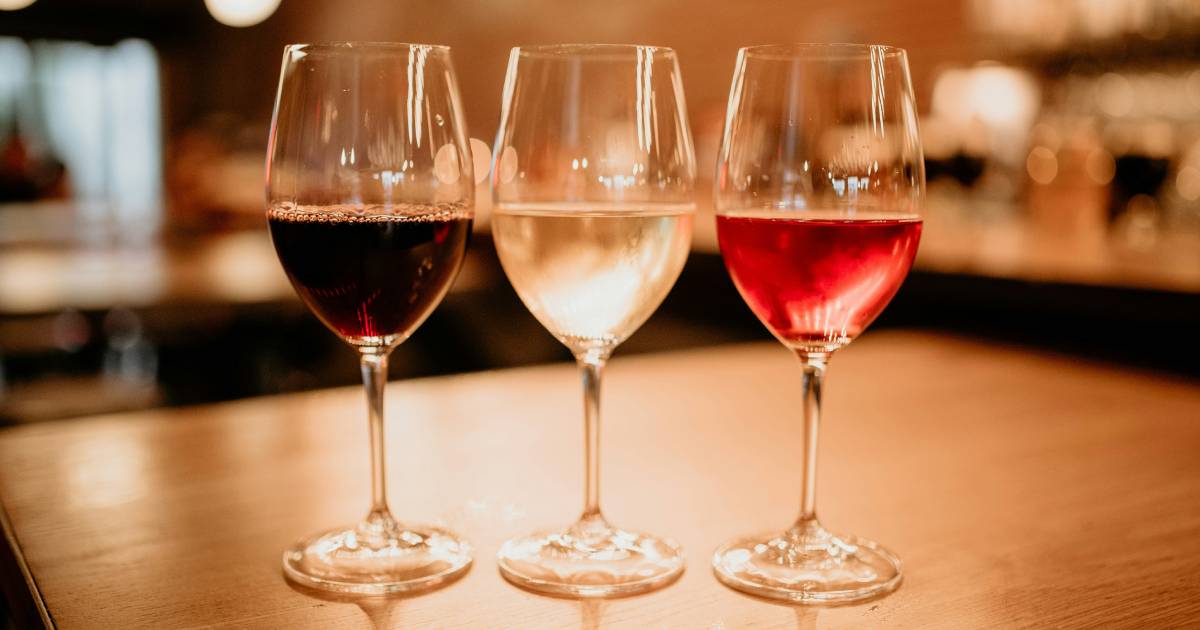
Legally, in the United States, a “dessert wine” isn’t defined by sugar at all. Under federal labeling rules, it’s simply grape wine between 14% and 24% alcohol by volume — a definition written for tax classification, not for anyone standing in a tasting room trying to figure out what to pour after dinner. That gap between the legal label and the actual experience is where most of the confusion starts, and it’s worth closing before you order a flight.
What Actually Makes a Wine “Dessert Wine”?
A wine earns the term “dessert wine” through how it was made sweet, not just how sweet it tastes. Four production methods account for nearly everything you’ll find under this label:
- Fortification — grape spirit is added partway through fermentation, which both stops the yeast from converting all the sugar and pushes the alcohol up past that 14% line. Port and sherry are the classic examples.
- Late harvest — grapes stay on the vine well past normal picking time, concentrating sugar as they raisinate slightly in the sun. No spirit is added; the alcohol and sweetness both come from the grape itself.
- Noble rot — a fungus called Botrytis cinerea colonizes the grape skins under the right damp-then-dry conditions, shriveling the fruit and concentrating both sugar and acid. Sauternes is the benchmark; it’s labor-intensive and rare because the weather has to cooperate.
- Freezing — grapes are pressed while still frozen, so the water stays behind as ice and only the concentrated, sugar-rich juice runs off. This is ice wine, and it needs a hard freeze most of California can’t reliably deliver.
One honest caveat: Moscato and other lightly sweet, low-alcohol sparkling wines get lumped into “dessert wine” in casual conversation constantly, and technically they usually aren’t — most sit under that 14% threshold and fail the legal definition entirely. If you see a Sonoma Moscato marketed as a dessert wine, it’s riding on the category’s reputation more than qualifying for it. That’s not a knock on the wine; it’s just not the same thing as a 19% ABV port.
The Dessert Wines Sonoma County Actually Makes
Sonoma County isn’t Sauternes and it isn’t the Douro Valley, but it isn’t faking this category either. More than 40 of the roughly 490 active tasting rooms on Sonoma Wineries list a dessert or port-style wine in their current lineup, and the styles cluster around what the county’s grapes and climate actually support.
Late-harvest Zinfandel and Petite Sirah are the most common Sonoma dessert wines, and there’s a straightforward reason: both varietals ripen to high sugar levels easily in warm inland AVAs like Dry Creek Valley and Alexander Valley, which is exactly what late-harvest production needs. If you’ve spent time with Sonoma’s jammy, riper red wines, a late-harvest Zin is that same fruit-forward style pushed one step further into full dessert territory — thicker, sweeter, and usually poured in a smaller glass.
Muscat-based dessert wines show up in smaller numbers but with real specificity. Peterson Winery in Dry Creek Valley makes a Muscat Blanc dessert wine as part of a lineup built around what the family calls a “Zero Manipulation” approach — no fining, no filtering. Muscat is one of the few grapes aromatic enough to stay recognizable even after the sugar concentration involved in dessert-style winemaking.
Fortified port-style wine is the smallest and most specific category, and Sonoma County has exactly one dedicated specialist: Sonoma Portworks in Petaluma, which has been making port, sherry, and grappa since 1994 out of the historic Foundry Wharf building on the Petaluma River. It’s a genuinely unusual thing to find in California wine country — most producers who make a port-style wine make it as one bottle in a much larger portfolio, not as the entire point of the operation.
Two of the four production methods from the previous section are effectively absent here, and it’s worth saying so rather than pretending otherwise. True ice wine needs a hard freeze on the vine, which Sonoma’s climate essentially never delivers — this is Mediterranean wine country, not the Niagara Peninsula. Noble rot is rarer too: Botrytis cinerea needs a specific damp-then-dry cycle late in the season, and Sonoma’s harvest weather is generally too dry and too consistent for it to take hold reliably. When you find a Sonoma dessert wine, it’s overwhelmingly going to be late harvest or fortified, not botrytized or frozen — which is exactly why those two styles anchor the list above.
Browse Sonoma County wineries → Filter by varietal and region to find the tasting rooms pouring dessert and port-style wines right now.
How to Taste and Serve It Without Overthinking It
Pour less than you think. Dessert wines are typically served in 2- to 3-ounce pours, roughly half a standard table wine pour, because the sugar and alcohol both hit harder and a full glass will outlast your interest in it. Serving temperature also does more work here than with most table wine: fortified wines like port hold their character best around 60–65°F, cool cellar temperature rather than fridge-cold, while late-harvest and botrytized wines are better chilled, closer to 45–50°F, so the sweetness doesn’t read as cloying.
Food pairing is where most people overcomplicate dessert wine. The instinct is to pour it alongside an actual dessert, but that often backfires — if the dessert is sweeter than the wine, the wine tastes thin and sour by comparison. The more reliable rule: the wine should be at least as sweet as whatever’s on the plate, which is why the classic pairings lean toward things that aren’t dessert at all. Blue cheese and port is the standard for a reason — salt and funk against concentrated sweetness is a real contrast, not just a tradition nobody questions. Dark chocolate (70% or higher, so it isn’t competing on sweetness) and toasted nuts work the same way. If you do want to pair with an actual dessert, keep it simple and not-too-sweet: a plain biscotti or a dry butter cookie, not a slice of cake.
If dry, mineral-driven Sonoma whites are more your normal register, dessert wine is worth trying precisely because it sits at the opposite end of the spectrum — same grapes, same county, a completely different decision made in the cellar.
One practical upside worth knowing before you buy a bottle to take home: dessert wine keeps far longer once opened than table wine does. The combination of high sugar and high alcohol acts as a natural preservative, so a fortified or late-harvest wine will typically hold its character in the refrigerator with a stopper for two to four weeks, compared to three or four days for an opened bottle of Chardonnay or Pinot Noir. That makes dessert wine one of the few bottles in your collection you can actually pour a small glass from on a random Tuesday without feeling obligated to finish it that night.
Where to Actually Taste These in Sonoma County
A handful of Sonoma producers make dessert wine a real part of the visit, not an afterthought on a printed list:
- Sonoma Portworks (Petaluma) — the county’s only dedicated fortified-wine specialist, now operating as Portworks Wine Lounge by Heringer Estates. Walk-ins welcome, and this is the single best stop if port and sherry are specifically what you’re after.
- Peterson Winery (Healdsburg, Dry Creek Valley) — four distinct Zinfandels plus a Muscat Blanc dessert wine, all made with minimal cellar intervention.
- Homewood Winery (Sonoma, Carneros) — an eclectic small-batch lineup that includes late-harvest dessert wines sourced from Dry Creek and Carneros fruit, poured in an unpretentious tasting room with more than 35 harvests behind it.
- Mayo Family Winery (Glen Ellen, Sonoma Valley) — ports and late-harvest dessert wines alongside more than 20 single-vineyard bottlings a year, with a casual, dog- and family-friendly tasting room on Arnold Drive.
Because dessert wine is a small slice of most producers’ output, it’s worth calling ahead or checking a winery’s current tasting list before you make a special trip for it — allocations run out, and vintages of these wines don’t turn over as fast as a winery’s Chardonnay or Pinot Noir.
Ask the Wine Concierge → Tell it you’re after a dessert or port-style wine and let it point you to the right tasting room for your route.
What is dessert wine, technically?
Under U.S. labeling law, dessert wine is grape wine with an alcohol content between 14% and 24% by volume. In practice, the term covers fortified wines like port and sherry, late-harvest wines, botrytized (noble rot) wines, and ice wine — four different production methods that all end up sweeter and stronger than standard table wine.
Is dessert wine the same as port?
No — port is one specific type of dessert wine, made by fortifying red wine with grape spirit during fermentation. Dessert wine is the broader category; late-harvest Zinfandel, Muscat dessert wine, and Sauternes-style botrytized wine are all dessert wines but none of them are port.
Does Sonoma County make dessert wine?
Yes. More than 40 active Sonoma County tasting rooms currently list a dessert or port-style wine, concentrated around late-harvest Zinfandel and Petite Sirah, Muscat-based wines, and one dedicated fortified-wine specialist, Sonoma Portworks in Petaluma.
How much dessert wine should I pour?
Plan on 2 to 3 ounces per glass, about half a standard table wine pour. The higher sugar and alcohol content make a full glass more than most people want to finish, and tasting rooms that pour dessert wine typically serve it in a smaller glass for the same reason.
What food pairs with dessert wine?
Pair for balance, not repetition: the wine should be at least as sweet as the food, which is why blue cheese, dark chocolate, and toasted nuts work better than an actual dessert. If you do want to pair it with dessert, keep the dessert simple and not overly sweet — a plain biscotti rather than frosted cake.
How long does an opened bottle of dessert wine last?
Two to four weeks in the refrigerator with the cork or stopper back in, well beyond the few days you’d get from an opened bottle of table wine. The high sugar and alcohol content both act as preservatives, which is part of why dessert wine is often sold in half-bottles — a full 750ml bottle simply lasts long enough that you don’t need to finish it in one sitting.