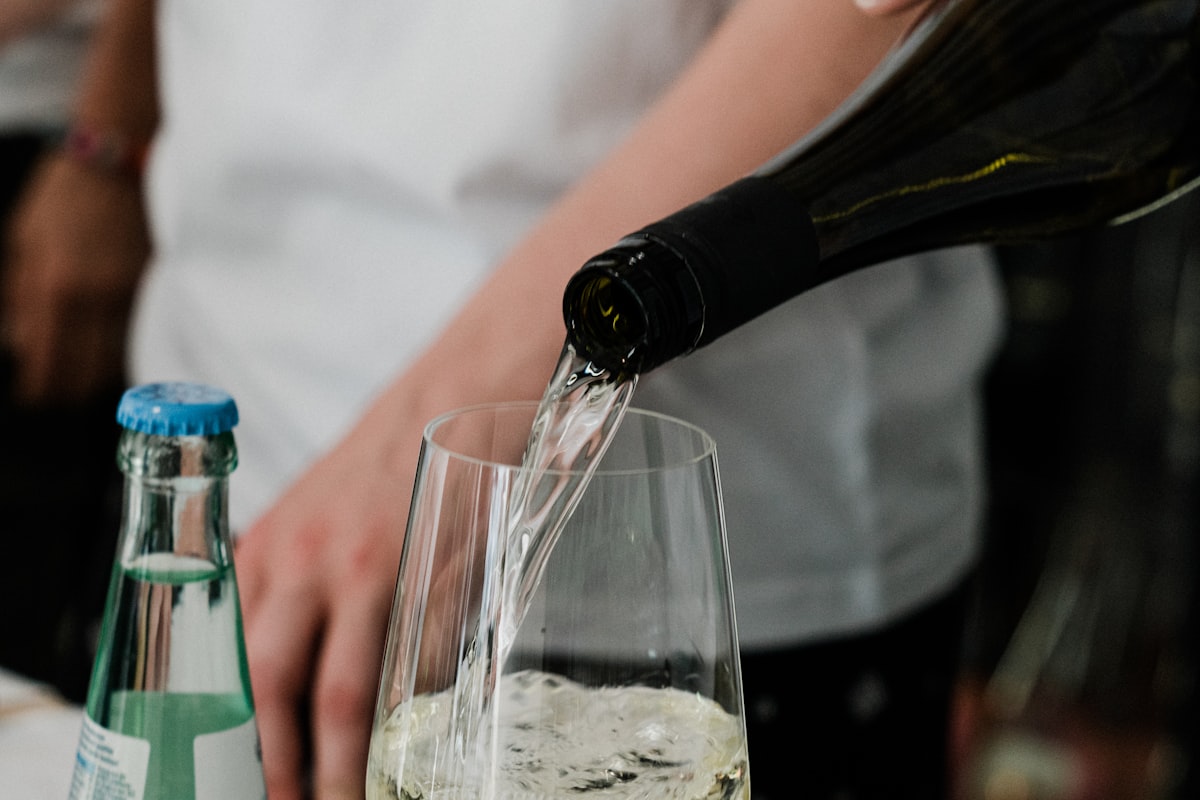
In 1972, a Loire Valley transplant named David Stare planted Sauvignon Blanc in Dry Creek Valley against the advice of local vineyard specialists, then labeled the resulting wine “Fumé Blanc” — the first winery in Sonoma County to use that name. Half a century on, Sauvignon Blanc is the most widely planted white grape in Dry Creek Valley, and the county now counts close to 150 active producers making some version of it. If your mental picture of Sauvignon Blanc starts and stops at a grassy, stainless-steel pour from Marlborough, Sonoma has a longer and considerably weirder story to tell — and it starts with a name that isn’t quite what it sounds like.
”Fumé Blanc” Isn’t a Different Grape
Fumé Blanc is Sauvignon Blanc wearing a French-sounding costume that Robert Mondavi invented in 1968, four years before Dry Creek Vineyard brought it north to Sonoma.
The grape itself had been in California far longer than that. Sauvignon Blanc cuttings — reportedly sourced from the Sauternes vineyards of Château d’Yquem — were planted in Livermore Valley in the 1880s by Charles Wetmore, founder of Cresta Blanca Winery, and the resulting wine won a grand prize at the 1889 Paris Exposition. That early promise didn’t hold. By the 1960s, Sauvignon Blanc had drifted into California’s bargain bin — mostly sweet, mostly forgettable, mostly an afterthought next to Chardonnay. Mondavi barrel-fermented a dry version at his Napa Valley winery and, borrowing the name of the Loire’s Pouilly-Fumé region, rebranded it as something that sounded more serious. It worked. The style — riper fruit, some oak contact, a rounder texture than the grape’s naturally sharp acidity would suggest — became its own California-specific idiom.
Stare brought the idea to Sonoma four years later, and it stuck harder here than almost anywhere else. Dry Creek Vineyard still makes five distinct Sauvignon Blanc bottlings, several still labeled Fumé Blanc, and the winery treats the wine as close to a house identity as a single varietal gets. Other Sonoma producers just call it Sauvignon Blanc and let the label do less talking — same grape, same county, different marketing decision made decades apart.
Sonoma’s Sauvignon Blanc Country
Sauvignon Blanc grows successfully across most of Sonoma County, but four areas account for most of what ends up in a glass, and each pulls the grape in a different direction.
Dry Creek Valley, an AVA since 1983, is the historical and stylistic anchor. Warm days and cooling evening air funneled in off the Russian River keep acidity intact even as sugars ripen, which is exactly the tension the classic grassy, citrus-driven Fumé Blanc style depends on. Dry Creek Vineyard anchors the AVA’s reputation here; Quivira Vineyard & Winery, farming organically a few miles up the valley, makes a version built on the same bones with a slightly wilder edge.
Russian River Valley, cooler and foggier than Dry Creek, tends to produce a rounder, less aggressively herbaceous style. Merry Edwards Winery — better known for site-specific Pinot Noir — makes a Sauvignon Blanc built with a creamier texture and a softer edge than the AVA’s cool reputation might suggest, proof that “Russian River” doesn’t automatically mean razor-sharp.
Sonoma Valley and Bennett Valley sit further south and warmer, and the wines lean riper and rounder still. Kunde Family Winery, a sprawling estate with a long cave-tour tradition, pours Sauvignon Blanc alongside a dozen other varietals — a useful place to taste it side by side with Sémillon or Viognier and feel the family resemblance. Matanzas Creek Winery, founded in 1977, was the first winery in Bennett Valley — a sub-AVA that didn’t earn its own official status until 2003 — and has built its reputation on Sauvignon Blanc for longer than most of its neighbors have been in business. The valley sits between three mountains that funnel in fog and cool wind through the Petaluma Gap, which keeps the grape’s acidity honest even as everything around it ripens.
Sonoma Coast, the newest and coolest of the four, is where the grape gets pushed hardest toward brightness. Aldina Vineyards, a smaller producer working coastal fruit, released a 2025 Sonoma Coast Sauvignon Blanc that leans into exactly that tension between ripeness and acid — the style critics keep coming back to when they want an example of why the coastal fruit is worth the extra fog.
Sonoma isn’t chasing one house style. It’s making room for all of them.
Ready to start tasting? Browse Sonoma County wineries →
What It Actually Tastes Like
The range runs from bone-dry and grassy to something closer to a textured, food-friendly white, and the difference usually comes down to two decisions: how ripe the fruit was picked, and whether the wine saw any oak.
At the crisp end, expect grapefruit pith, cut grass, lime zest, and a mineral snap that makes the wine feel almost sparkling even without bubbles — the style Dry Creek Vineyard’s Fumé Blanc has built its name on since 1972. Move toward the Russian River and Sonoma Valley versions and the fruit shifts riper — white peach, honeydew, sometimes a faint waxy lanolin note from partial barrel or lees contact — with the sharp edges sanded down. Neither style is more “correct.” They’re answers to different questions about what a glass of white wine is supposed to do at the table.
The winemaking choice behind that split is mostly mundane: stainless steel versus oak, and whether the wine goes through malolactic fermentation. Stainless-fermented Sauvignon Blanc locks in the grape’s naturally sharp malic acid and its grassy, herbaceous aromatics — the profile most people associate with the variety by default. Barrel fermentation, partial malolactic conversion, and time on the lees soften that acid into something creamier and rounder, which is the technical explanation for why a Fumé Blanc-style wine can taste like a distant cousin of an unoaked one from three AVAs over, despite sharing a grape and a county.
Demand backs up the range. The 2025 California Grape Crush Report puts Sauvignon Blanc’s statewide crush at just over 162,500 tons, up roughly 17% from 2024 even as the state’s overall wine grape harvest fell for a second straight year — new acreage planted specifically to meet rising demand, according to the same report. Sauvignon Blanc is now the fourth-largest white wine grape crushed in California, behind only Chardonnay, French Colombard, and Pinot Gris. It’s a good year to be paying attention to a grape that spent decades as an afterthought.
What to Eat With It
Match the style, not just the grape. A crisp, Dry Creek-style Fumé Blanc wants something with acid and brine to meet it halfway: oysters or other raw shellfish, a chèvre-forward salad, ceviche, anything leaning on cilantro or basil. The wine’s own citrus notes will pick up and amplify whatever’s on the plate.
The rounder Russian River and Sonoma Valley styles have enough texture to sit under richer food — roast chicken, dishes built on cream or butter, richer shellfish like scallops or crab. And the classic oak-touched Fumé Blanc style, with its lanolin weight, is a genuinely good match for grilled fish or a simple pork tenderloin — dishes that would flatten a leaner, unoaked white.
Where to Actually Go
If you’re building a day around this grape specifically, six wineries make the strongest case for what Sonoma does with it.
Dry Creek Vineyard is the non-negotiable stop for the history alone — taste the current Fumé Blanc alongside whichever of its other four Sauvignon Blanc bottlings happen to be open that day, and the range of what one winery can do with one grape becomes obvious fast. Quivira Vineyard & Winery, a short drive up the same valley, makes the organic counterpoint — same warm days and cooling evenings, a noticeably wilder edge on the finished wine.
Head south and the Sonoma Valley cluster gives you the rounder end of the spectrum. Kunde Family Winery’s cave tour puts Sauvignon Blanc next to a dozen other varietals, which is the easiest way to actually taste the family resemblance between it and something like Sémillon. Matanzas Creek Winery, in Bennett Valley, has been doing this specific grape longer and more deliberately than almost anyone else in the county.
For the cooler-climate versions, Merry Edwards Winery in Russian River Valley is worth the detour even if you came for the Pinot Noir — the Sauvignon Blanc is the quieter reason to stay. And Aldina Vineyards on the Sonoma Coast is the newest name on this list, but its 2025 release is exactly the kind of bright, acid-driven wine that makes the case for planting this grape on the foggiest ground in the county.
If you’re comparing Sauvignon Blanc against Sonoma’s other dry whites before you commit to a day of tasting, our guide to dry white wine in Sonoma County puts it side by side with Chardonnay and the rest of the lineup.
Don’t miss the next one. Subscribe to our newsletter →
Frequently Asked Questions
Is Sauvignon Blanc the same as Fumé Blanc?
Yes. Fumé Blanc is a marketing name for Sauvignon Blanc, coined by Robert Mondavi in 1968 to describe an oak-aged, drier style. Dry Creek Vineyard brought the name to Sonoma County in 1972 and still uses it on several bottlings — but it’s the same grape as any wine simply labeled Sauvignon Blanc.
What does Sonoma County Sauvignon Blanc taste like?
It ranges from crisp and grassy — grapefruit, lime, cut grass, a mineral edge — to rounder and riper, with white peach and a softer, sometimes lightly oaked texture. Dry Creek Valley leans toward the crisp style; Russian River Valley and Sonoma Valley tend toward the rounder one.
Which Sonoma AVA makes the best Sauvignon Blanc?
There’s no single answer — it depends on the style you want. Dry Creek Valley is the historical benchmark for the classic grassy Fumé Blanc style. Russian River Valley and Bennett Valley produce rounder, more textured versions, and Sonoma Coast delivers the brightest, most acid-driven examples.
When is the best time to visit Sonoma for Sauvignon Blanc?
Sauvignon Blanc is typically among the earliest grapes harvested, often in late August or early September, so a visit then can coincide with active picking. That said, the wine is poured year-round at every winery on this list, so there’s no wrong season to go looking for it.
What food pairs well with Sauvignon Blanc?
Crisp, unoaked styles pair well with oysters, ceviche, and herb-forward dishes using cilantro or basil. Rounder, riper styles have the texture to handle roast chicken or richer shellfish like crab, and oak-touched Fumé Blanc-style wines hold up well against grilled fish or pork tenderloin.