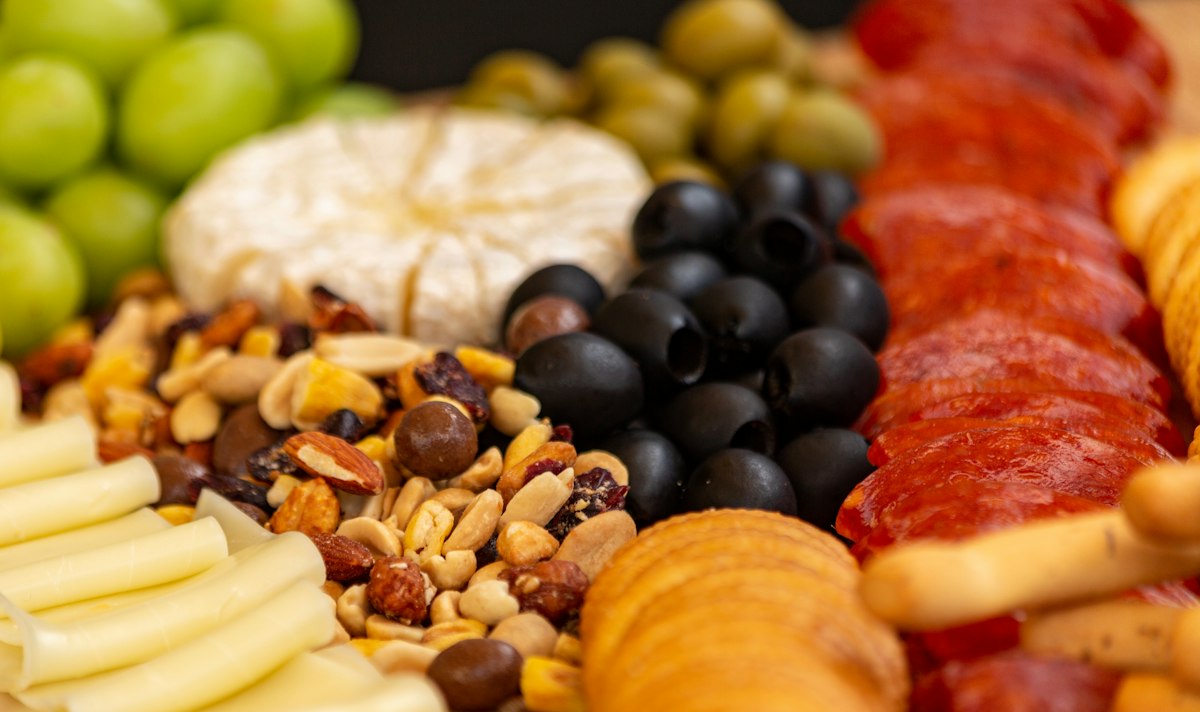
Sonoma County’s cheese trail links together nearly 30 working farms and creameries across roughly 100 miles of pasture, coastline, and river valley. Most of the people driving through for the wine have no idea it’s there.
That’s the opportunity. A wine and cheese gift basket built from a supermarket cheddar wedge and whatever Cabernet was on sale isn’t really a Sonoma gift — it’s a gift that happens to include a Sonoma wine. The version worth giving pulls both halves from the same fifty-mile radius, and it doesn’t cost much more to do it right.
What Actually Makes a Wine and Cheese Pairing Work
A good pairing balances one thing against another — fat against tannin, acid against richness — rather than just matching “red wine” to “cheese” and calling it done. Bold, tannic reds want fat and protein to soften them, which is why a big Cabernet needs an aged, dense cheese and falls flat next to something soft and mild. Bright, acidic whites and sparkling wines cut through creamy, high-fat cheeses, which is why a fresh chèvre disappears next to an oaky Chardonnay but comes alive next to something with real acid.
The mistake most pre-made gift baskets make is defaulting to “cheddar and Cabernet” regardless of which Cabernet, because it’s a safe, forgettable combination that batches out easily. You’re building one basket for one person, so you can actually match the wine to the cheese instead of the other way around.
The Sonoma Wines Worth Building Around
Chardonnay is the natural anchor if the wine comes first. A fuller-bodied style — Chalk Hill Chardonnay is the textbook example, with enough weight from its volcanic-soil fruit to stand up to butterfat — pairs beautifully with a soft-ripened or triple-cream cheese. The wine’s richness meets the cheese’s richness instead of getting bullied by it.
Zinfandel, especially from Dry Creek Valley, is Sonoma’s other signature and the easiest crowd-pleaser in a basket. Its bramble-fruit intensity and moderate tannin want an aged cheddar or a dry Jack — something with enough salt and density to hold its own against the fruit.
Cabernet Sauvignon from Alexander Valley — the Jordan Winery style is the benchmark, built to age rather than to overwhelm on release — is the one to reach for when the recipient wants a “serious” bottle in the basket. Give it an aged, hard cheese. A young, soft cheese will just taste bitter next to that much tannin.
Sparkling wine is the one people forget to consider for a gift basket, and it shouldn’t be. Its acidity is the best match in the entire basket for a genuinely fresh, tangy goat cheese — the kind that would clash with almost every still wine on this list.
The Sonoma County Cheese Trail Is the Secret Ingredient
This is the part a store-bought basket can’t compete with, because store-bought baskets are built for shelf-stable shipping, not for the specific cheese culture growing an hour from the winery.
Vella Cheese Company, founded in 1931 by Gaetano Vella and still run by his descendants out of its original stone building on the Sonoma Plaza, makes the county’s benchmark dry Jack — an aged, dense, nutty cheese built for exactly the Zinfandel and Cabernet pairings above.
Achadinha Cheese Company in Petaluma has made goat’s-milk cheese since 2001, and its fresh chèvre is the sparkling-wine pairing this list keeps coming back to — bright, tangy, and built to be eaten young rather than aged.
Bellwether Farms, one of the founding families of California’s modern artisan cheese movement, works in both sheep’s and cow’s milk and is a reliable source for the soft, buttery styles that a fuller Chardonnay needs.
Valley Ford Cheese & Creamery, run by a family five generations deep in Sonoma County dairy, ages cheeses like Estero Gold in a coastal, fog-cooled environment that gives them a mineral edge — worth seeking out if the basket is headed to someone who already owns a lot of cheese.
Browse Sonoma wineries to find producers pouring the varietals above, many of which sell direct and ship alongside the cheese.
Why Sonoma Wine and Sonoma Cheese Actually Belong Together
This isn’t just regional loyalty — the same geography that shapes the wine shapes the cheese. The fog that rolls in off the Sonoma Coast and up the Petaluma River valley cools the pastures where dairy herds graze the same way it cools the vineyards in Russian River Valley and the Sonoma Coast AVA, which is why both the county’s leanest, most mineral-driven Chardonnay and its tangiest fresh cheeses come out of the same foggy corridor. Move inland to the warmer benchlands of Alexander Valley and Dry Creek Valley, where the fruit ripens fuller and the reds get bolder, and you’ll find the county’s aged, drier cheese styles made from herds grazing warmer, less foggy pasture.
It’s the same principle winemakers call terroir, applied to a pasture instead of a vineyard block — which is exactly why a Chalk Hill Chardonnay and an Achadinha chèvre taste like they were made for each other. They were both made by the same fog.
Building the Basket, Step by Step
Pick the container first, and make it useful. A wine crate, a wooden cheese board, or a simple basket all work — the goal is something the recipient keeps using after the food is gone, which is a nicer gift than cellophane wrap they throw away.
Decide on aged versus fresh before you shop. Aged cheeses (dry Jack, aged cheddar, Estero Gold) are shelf-stable for days at room temperature, which makes them the right choice if the basket is being shipped or won’t be opened immediately. Fresh cheeses (chèvre, young triple-cream) need refrigeration and a short window, so they only belong in a basket that’s handed over in person, same-day.
Build around one wine and one or two cheeses, not four of each. A basket that tries to cover every varietal and every cheese style ends up an unfocused pile of groceries. Pick the pairing from the sections above and commit to it.
Round it out with things that don’t compete. Plain water crackers or a rustic baguette, a jar of honey or fig jam (both work with nearly every cheese on this list), a small bag of roasted nuts, and, if there’s room, a single high-quality dark chocolate bar. Skip anything heavily flavored — a spicy mustard or a strong salami will fight with the cheese instead of supporting it.
Add the tools, not just the food. A cheese knife and a corkscrew turn “food gift” into “ready to use tonight,” and they’re the cheapest way to make the basket feel more complete than it costs to make it feel.
Shortcuts If You’d Rather Not Assemble One Yourself
Building your own basket gets you a better, more specific gift — but it also takes an afternoon. If that’s not the gift-giving occasion you’re in, a few retailers do this well:
Wine.com runs a dedicated wine and cheese gift basket category, with prebuilt sets that pair red or white wine with a cheese board and savory accompaniments — the fastest option if you need something shipped this week.
Wine Enthusiast leans toward the accessories side: cheese boards, serving sets, and wine-and-cheese gift bundles built around the tools rather than perishable food, which ship without the cold-chain concerns of an actual cheese order.
Williams-Sonoma carries a well-regarded line of cheese boards and serving sets, and is worth a look if the gift is more about the presentation ritual than the wine itself — the board becomes something the recipient uses long after the bottle is empty.
If the person on your list already has more cheese boards than counter space, consider gifting an afternoon instead of a basket. Sonoma Plaza runs guided food-and-wine walking tours that pair a bite with a glass at every stop — effectively this whole concept turned into a few hours out, and a natural add-on if the recipient is already planning a Sonoma wine weekend.
Some of the retailers mentioned above are affiliate partners, which means this site may earn a small commission on a purchase at no extra cost to you. We only mention retailers whose actual gift-basket or cheese-board offerings we researched directly.
Sign up for the newsletter and we’ll flag gift-worthy Sonoma finds like this one as the holidays get closer.
FAQs
What wine pairs best with cheese in a gift basket?
It depends on the cheese, not the other way around. Aged, hard cheeses (dry Jack, aged cheddar) want a bold red like Zinfandel or Cabernet. Soft, buttery cheeses want a fuller Chardonnay. Fresh, tangy chèvre wants sparkling wine or a crisp white — its acidity, not a red’s tannin, is what a young goat cheese actually needs.
Should a gift basket use aged or fresh cheese?
Use aged cheese if the basket will be shipped, stored, or opened more than a day after it’s given — it’s shelf-stable and travels well. Use fresh cheese only if you’re handing the basket over in person the same day, since it needs refrigeration and doesn’t hold.
Can you ship a wine and cheese gift basket?
Yes, as long as you stick to aged, shelf-stable cheeses rather than fresh ones. Several states also require wine and food to ship in separate packages by law, so check the shipping policy of wherever you’re sourcing the wine before you combine everything into one box.
How far in advance should I put a gift basket together?
If you’re using aged cheese and shelf-stable extras, a few days ahead is fine. If any component is fresh — chèvre, soft-ripened cheese, fresh bread — assemble it the same day it’s given, since freshness (and food safety) starts to slip after 24 hours at room temperature.
What’s a reasonable budget for a wine and cheese gift basket?
A DIY basket built around one good bottle and cheese from a single Sonoma producer typically runs $60–$120 depending on the wine you choose. Prebuilt retail baskets in that same range tend to include more items but less distinctive ones — you’re trading specificity for convenience either way.
Ready to find the wine? Browse Sonoma wineries to find producers pouring the Chardonnay, Zinfandel, Cabernet, and sparkling wine featured above, many of which ship direct.