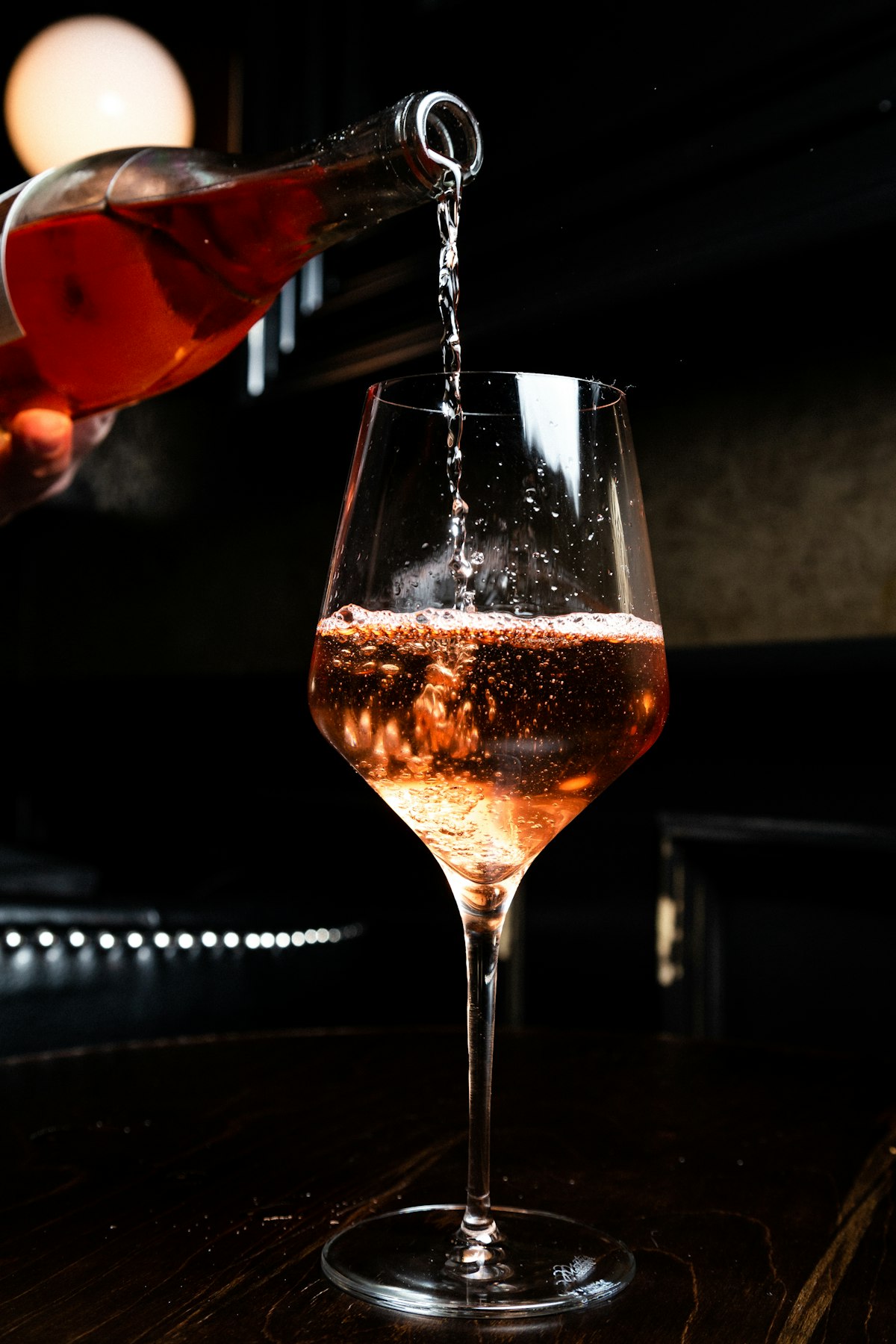
In 1984, a UC Davis sensory chemist named Ann Noble published the Wine Aroma Wheel because her students kept describing wine the same three ways — good, bad, or fruity — and none of those held up under a follow-up question. Her wheel gave tasters a shared vocabulary for what actually shows up in a glass, and versions of it still hang on the walls of tasting rooms across Sonoma County. You don’t need to memorize it. You need a structure, and about four minutes per pour.
What a Tasting Note Actually Is
A tasting note is a short, structured record of what a wine looks, smells, and tastes like — not a verdict on whether you liked it. Those are different exercises, and conflating them is why most people’s notes end up as one word: “good.”
The point of writing one down isn’t to sound like a sommelier. It’s to build a record you can actually use — to remember which Russian River Pinot Noir you liked at three different wineries, to notice that you keep gravitating toward higher-acid whites, or to have something concrete to hand a tasting room host when you ask “do you have anything similar to this?” A note with four short lines beats a memory that fades somewhere on Highway 101 heading home.
Look: What the Wine’s Appearance Tells You
Start by holding the glass up to a white background — a napkin works fine — and tilting it slightly. Color and clarity tell you real things before the wine ever reaches your nose.
Whites run from pale straw to deep gold; the deeper the color, generally, the more time the wine spent in oak or on its lees. Reds run from pale garnet to nearly opaque purple-black; young Pinot Noir sits at the pale end, young Cabernet Sauvignon at the dark end, and age pulls both toward brick and amber over years. Clarity should be bright, not hazy, unless the label tells you it’s an unfiltered natural wine. The “legs” that run down the inside of the glass after a swirl are just an alcohol-and-sugar effect, not a quality signal — skip the temptation to read too much into them.
Smell: Building an Aroma Vocabulary
Give the glass a slow swirl, then put your nose right at the rim and take a short sniff — long sniffs fatigue your senses fast. What you’re smelling falls into three buckets: primary aromas from the grape itself (fruit, flowers), secondary aromas from fermentation (cream, toast, a whiff of bread dough from lees contact), and tertiary aromas from aging (vanilla and coconut from oak, leather and dried fruit from bottle age).
Instead of reaching for “fruity,” aim for specific: is a Chardonnay showing green apple and citrus, or riper pineapple and baked pear? Is a Zinfandel reading as bright raspberry, or does it lean toward jammy blackberry and black pepper? Sonoma’s cooler AVAs — Russian River Valley, Sonoma Coast — tend to preserve brighter, more acid-driven fruit and herbal notes. The warmer inland valleys push toward riper, jammier fruit and more baking spice. That contrast alone is one of the fastest ways to train your nose, and it’s why tasting the same varietal from two different Sonoma regions back-to-back teaches you more than tasting ten unrelated wines.
Ready to start tasting with intention? Browse Sonoma County wineries and find tasting rooms suited to the varietal you want to practice on.
Taste: Reading Body, Acidity, Tannin, and Finish
Take a real sip — enough to coat your whole mouth — and let it sit for a second before you swallow. Four things are worth naming every time.
Body is weight, not flavor: does the wine feel like skim milk, whole milk, or cream in your mouth? Acidity is the sensation that makes your mouth water and your cheeks tighten slightly at the sides — high-acid wines feel lively and food-friendly, low-acid wines feel soft and round. Tannin, found almost exclusively in reds, is the drying, slightly gripping feeling on your gums and the inside of your cheeks, similar to over-steeped black tea; it comes from grape skins, seeds, and oak. Finish is simply how long the flavor lingers after you swallow — a few seconds is short, thirty seconds or more is long, and length is one of the more reliable markers of quality in the glass.
Dry Creek Valley and Alexander Valley reds tend to show the fullest tannic structure in Sonoma County, which makes them a useful place to calibrate what “firm tannin” actually feels like. If tannin is a new concept, our guide to dry red wine in Sonoma County walks through exactly what “dry” means in a red and which local bottles show it most clearly.
Common Mistakes That Make Notes Useless Later
A few habits quietly wreck most people’s tasting notes, and all of them are easy to fix once you know to watch for them.
Rating before describing. If the first thing you write is “8/10,” your brain stops looking for details — it already has its answer. Describe first, score last, if you score at all.
Writing everything after the flight, not during. Memory blends wines together fast, especially after four or five pours. Jot the note within a minute of tasting, even if it’s just three words you’ll expand later.
Reaching for the same three words every time. “Smooth,” “nice,” and “good” describe almost nothing. If you notice yourself writing one of them, stop and ask what specifically is smooth or nice about it — texture, tannin, finish — and write that instead.
Skipping the finish. Most beginner notes stop at the sip. Finish length and character are often the clearest difference between a good wine and a great one, and they take five extra seconds to note.
A Tasting Note Template You Can Copy
Skip the elaborate wine-journal apps until you know you’ll use them. A five-line template on your phone’s notes app or a small paper notebook is enough to start:
- Winery & wine: name, vintage, varietal
- Appearance: color, clarity
- Nose: 2–3 specific aromas
- Palate: body, acidity, tannin (if red), finish length
- Overall: one sentence — would you buy a bottle, and why
Fill it out for every pour on a flight, even the ones you don’t love — a note on a wine you disliked is often more useful than one on a wine you loved, because it tells you what to avoid asking for next time. Jordan Winery in Alexander Valley is a good place to practice on a small, focused list: they pour exactly two wines, so you can spend real time on each note instead of rushing through eight.
Practicing the Framework at Sonoma County Tasting Rooms
The best rooms for deliberate practice are the ones that pour a genuine range of styles in one visit, rather than six variations on the same grape. A few in Sonoma County that set up well for this:
- Dutcher Crossing Winery (Dry Creek Valley, walk-ins welcome) pours Zinfandel, Cabernet Sauvignon, and Chardonnay side by side — a fast way to feel the tannin difference between a Zin and a Cab in the same sitting.
- Ridge Vineyards Lytton Springs (Dry Creek Valley) pours a Zinfandel-based field blend with Petite Sirah, Carignane, and other varieties co-fermented together — good practice for picking out more than one descriptor in a single glass.
- Gary Farrell Vineyards & Winery (Russian River Valley) focuses on cool-climate Pinot Noir and Chardonnay, useful for contrasting against the warmer, riper styles above.
- Walt Wines (downtown Sonoma Plaza, reservations recommended) is a low-key, walkable option if you’d rather practice without driving between stops.
- Scribe Winery (Carneros) pours Pinot Noir, Chardonnay, and Riesling grown in Carneros’s cooler, bay-influenced climate — a useful fourth data point against both the Dry Creek reds and the Russian River Pinot above.
Bring the five-line template above to any of them, and don’t rush — four unhurried pours with real notes will teach you more than a dozen fast ones.
Want new tasting rooms and seasonal picks in your inbox? Sign up for the Sonoma Wineries newsletter for features and event updates as they go live.
What should a wine tasting note include?
At minimum: the wine’s name and vintage, its appearance, two or three specific aromas, and a read on body, acidity, tannin (for reds), and finish length. A one-sentence overall impression at the end makes the note actually useful later, when you’re trying to remember why you liked something.
How do you describe wine without sounding pretentious?
Stick to concrete, checkable descriptors instead of vague adjectives. “Green apple and wet stone” tells you something specific; “elegant and complex” doesn’t. If you can’t defend a word by pointing to something you’d find in a grocery store or garden, swap it for one you can.
What’s the difference between a tasting note and a wine review?
A tasting note is a neutral, sensory record — what the wine looks, smells, and tastes like. A review adds judgment: whether it’s good, whether it’s worth the price, whether you’d buy it again. Most useful personal notes do both, but keeping the sensory part separate from the opinion keeps your record more accurate over time.
Do I need training to write good tasting notes?
No. The sight-smell-taste framework works whether you’ve been tasting for twenty years or twenty minutes. What separates a useful note from a vague one isn’t expertise — it’s specificity. Naming “black pepper” beats “spicy,” and naming “spicy” beats saying nothing at all.
What’s a good beginner vocabulary list to start with?
For whites: citrus, green apple, pear, tropical fruit, honey, butter, vanilla. For reds: raspberry, blackberry, cherry, black pepper, tobacco, leather, chocolate. Pick two or three per pour rather than reaching for every word you know — precision matters more than length.
How long should a wine tasting note be?
Two to four sentences is plenty for personal use — enough to cover appearance, aroma, palate, and finish without turning a tasting flight into a writing exercise. Professional reviewers write longer notes because they’re publishing for an audience; for your own record, brevity you’ll actually keep up with beats thoroughness you’ll abandon after two visits.