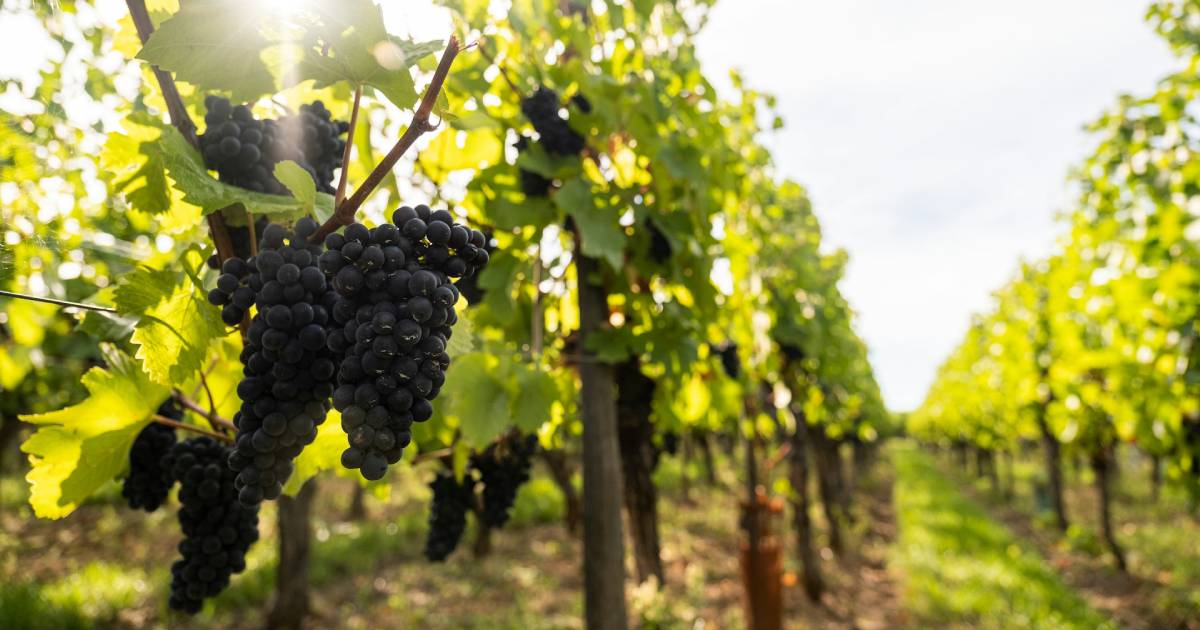
The Sonoma Coast AVA was approved on June 10, 1987 and covers roughly 480,000 acres — about 750 square miles, making it the largest appellation in Sonoma County. It reaches from San Pablo Bay in the south to the Mendocino County line in the north, and it swallows the Russian River Valley, Carneros, Chalk Hill, and Sonoma Valley entirely.
Which means the words on the front of a bottle of La Crema Sonoma Coast Pinot Noir are telling you less than you think. Not nothing — but less.
This is not a knock on the wine. It’s one of the most widely poured California Pinot Noirs in the country, and it earns that position honestly. But if you’re standing in a wine aisle deciding whether “Sonoma Coast” signals ocean-battered ridgetop fruit, you deserve a straight answer. Here’s what’s actually in the bottle, what the appellation does and doesn’t guarantee, and where in Sonoma County you can taste it.
What’s Actually in the Bottle
La Crema’s Sonoma Coast Pinot Noir is a blended, appellation-level wine sourced across the broader Sonoma Coast AVA rather than from a single vineyard. The 2023 bottling is 100% Pinot Noir at 13.5% alcohol, and it earned 90 points from Wine Enthusiast in 2025.
In the glass, the house style is consistent vintage to vintage: red cherry and darker berry fruit up front, a savory mocha and baking-spice note from oak, fine-grained tannins, and enough acidity to keep the finish from going flabby. It is a deliberately approachable wine. Nobody at La Crema is trying to make you wait eight years for it to open up.
That approachability is a winemaking decision, not an accident. Blending across dozens of vineyard sites lets a producer smooth out the extremes — the year one hillside block gets scorched, another delivers, and the finished wine lands in roughly the same place it did last vintage. Consistency at scale is genuinely hard. It’s also the opposite of what a single-vineyard wine is trying to do.
Whether you find that reassuring or a little boring probably depends on why you’re buying the bottle. For a Tuesday roast chicken, consistency is the entire point.
The wine also carries sustainability certification, and La Crema is certified through the International Wineries for Climate Action program — a producer-led group with measurable emissions-reduction requirements rather than a self-declared logo. If that matters to you, it’s a real credential.
Why “Sonoma Coast” on the Label Doesn’t Mean the Coast
Here’s the part the back label won’t explain.
An AVA on a wine label tells you where the grapes were grown, and federal rules require only that 85% of the fruit come from the stated appellation. For most of Sonoma County’s AVAs, that’s a meaningful constraint — Dry Creek Valley is sixteen miles long and two miles wide. For the Sonoma Coast, it isn’t. The appellation is so large that fruit from a foggy ridge seven miles from the Pacific and fruit from a warm inland bench near Windsor both qualify.
This was controversial from the beginning. When the appellation was drawn in 1987, growers on the genuinely maritime western edge objected that the eastern boundaries reached so far inland that “Sonoma Coast” stopped meaning anything. They spent the next three decades doing something about it.
Fort Ross-Seaview was carved out in 2012, covering the high ridges near Fort Ross with a minimum elevation requirement of 920 feet. West Sonoma Coast followed in 2022, pulling out roughly 140,000 acres along the Pacific-facing ranges. Both exist for one reason: to say the thing that “Sonoma Coast” no longer says on its own.
So when you see Sonoma Coast on a label, read it as a broad regional statement about cool-climate Sonoma County fruit — which is accurate and useful — rather than as a promise about the ocean. If you want the ocean, look for West Sonoma Coast, Fort Ross-Seaview, or a named single vineyard.
For the full picture of how Sonoma’s overlapping appellations nest inside each other, our guide to all 19 Sonoma AVAs maps the whole system.
Where La Crema Came From
La Crema is older than most people assume, and it did not start as a large brand.
It was founded in 1979 as La Crema Viñera — roughly, “the best of the vine” — by Rod Berglund and a small group of partners, working out of a business park in Petaluma. This was several years before the Russian River Valley had established its international reputation for Pinot Noir, and at a time when very few California producers were taking the grape seriously at all.
Jess Jackson and Barbara Banke brought the winery into the Jackson Family Wines portfolio in 1993, shortening the name and expanding the sourcing. Craig McAllister, a New Zealander who has also made wine in Australia, Chile, and Cyprus, joined during the 2000s and became head winemaker in 2016. He oversees production across a range that now stretches from Sonoma County to Oregon’s Willamette Valley.
The scale is worth naming plainly: La Crema is a large producer inside a very large family company. That’s not a criticism, but it does explain the wine. A bottling made from a wide net of contracted vineyards, blended for consistency and priced for supermarket shelves, is a fundamentally different project from a five-acre estate wine made by one person who farms the vines.
Both are legitimate. They answer different questions.
Find your own coastal Pinot. Browse more than 280 Sonoma County tasting rooms that pour Pinot Noir, filter by AVA and reservation policy, and see who’s open today. Start browsing wineries →
Where to Actually Taste It
La Crema has one tasting room, and it is not on the Sonoma Coast.
La Crema Estate at Saralee’s Vineyard sits on Slusser Road in Windsor, in the heart of the Russian River Valley — well inland from anything you would call coastal. The downtown Healdsburg tasting room the brand ran for years is closed; the estate is the only place to visit now.
The property is worth the drive regardless of what the label says. It was the home of Saralee and Richard Kunde, two of the most respected figures in twentieth-century Sonoma County agriculture, who planted the vineyard in 1989 believing the site was right for Burgundian varieties. The tasting space is a restored four-story barn dating to the late 1800s, converted into a multi-level room with vineyard views on every side. The estate tasting pours six wines, seated, on the patios overlooking the vines when weather allows.
Visits are by appointment. Book ahead — this is not a drop-in property, and the Slusser Road corridor gets busy through harvest.
One honest note for planning: because the estate sits in the Russian River Valley, the wines you’ll taste there skew toward RRV bottlings and small-lot estate wines rather than the widely distributed Sonoma Coast blend you can buy at any grocery store. That’s arguably an argument for going. You’ve already had the Sonoma Coast Pinot. You haven’t had the rest.
If You Want the Coast, Not the Label
Sonoma County has roughly 90 tasting rooms in its western half, and a handful of them pour Pinot Noir from fruit that genuinely grew within sight of the Pacific. If the reason you picked up the La Crema bottle was the word “Coast,” these are the producers that deliver on it.
- Fort Ross Vineyard Tasting Room in Jenner — about as far west as tasting gets in Sonoma County, on the ridges above the Russian River mouth. Fort Ross-Seaview fruit, and the drive out Highway 116 is half the experience.
- Sonoma Coast Vineyards in Bodega Bay — a tasting room on the actual coastline, which is rarer than it sounds. The most accessible entry point into true maritime Pinot Noir.
- Hirsch Vineyards — the pioneering Fort Ross-Seaview estate, farmed along the San Andreas fault at elevations above the fog line. Appointment only, and worth the planning.
- Flowers Vineyards & Winery — one of the names that made the West Sonoma Coast style legible to the rest of the wine world.
- Littorai Wines in Sebastopol — biodynamically farmed, site-specific, and about as far from a blended appellation wine as California Pinot Noir gets.
Expect a different wine. Coastal-site Pinot Noir tends to run leaner, more savory, higher in acid, and considerably more structured when young. Some people find the La Crema style more immediately pleasurable. That’s a legitimate preference, not a failure of taste.
If you want to understand why the same grape tastes so different across a thirty-mile stretch, our complete guide to Pinot Noir in Sonoma County covers the varietal region by region.
Serving It Well
A widely available wine still rewards being treated properly, and Pinot Noir is the varietal most often ruined by room temperature.
Serve it cool — around 55°F, not 68°F. Twenty minutes in the refrigerator before opening does more for a bottle of Sonoma Coast Pinot Noir than any decanter will. At warm room temperature the alcohol pushes forward, the red fruit flattens, and the acidity that makes the wine refreshing disappears.
It does not need long decanting. Thirty minutes open is plenty, and many vintages show best straight from the bottle into a wide-bowled glass.
For food, this style sits in a genuinely useful place. It has enough fruit and body for duck breast, pork loin, or a mushroom risotto, but enough acid and restraint that it won’t bulldoze salmon or a roast chicken. It handles smoke and char well — grilled salmon, bacon-wrapped anything, charred vegetables. It is also one of the more reliable red wines for a table where half the guests want white.
If you’re bringing it to a tasting-room picnic or a Sonoma County restaurant, check corkage policy first — practices vary considerably across the county, and our tasting room guide covers current fees, reservation norms, and what to expect.
Not sure what to book? Tell our Wine Concierge what you like — coastal Pinot, big Cabernet, sparkling, or something you haven’t tried yet — and get tasting room recommendations matched to your trip. Ask the Wine Concierge →
Frequently Asked Questions
Is La Crema Pinot Noir actually from the Sonoma Coast?
Yes, legally — at least 85% of the fruit comes from within the Sonoma Coast AVA. But that appellation covers roughly 480,000 acres and includes inland areas like the Russian River Valley and Chalk Hill, so the label doesn’t mean the grapes grew near the ocean. For genuinely maritime fruit, look for West Sonoma Coast or Fort Ross-Seaview.
Can you visit La Crema winery?
Yes. La Crema Estate at Saralee’s Vineyard on Slusser Road in Windsor is open daily by appointment. It’s the winery’s only tasting room — the former downtown Healdsburg location has closed. The estate tasting is a seated experience pouring six wines, held on patios overlooking the vineyard when weather permits.
Is La Crema Sonoma Coast Pinot Noir a good wine?
For its category, yes. The 2023 bottling received 90 points from Wine Enthusiast, and the wine is consistently well made, widely available, and food-friendly. It’s a blended appellation wine built for consistency rather than a single-vineyard wine built for complexity — a different goal, not a lesser one.
Who owns La Crema?
Jackson Family Wines, which acquired the winery in 1993 under Jess Jackson and Barbara Banke. La Crema was founded independently in 1979 as La Crema Viñera in Petaluma. Craig McAllister has served as head winemaker since 2016.
What’s the difference between Sonoma Coast and West Sonoma Coast?
Sonoma Coast, established in 1987, is the large umbrella appellation covering roughly 480,000 acres and reaching far inland. West Sonoma Coast, approved in 2022, carved out around 140,000 acres of the Pacific-facing ranges specifically to identify fruit with real maritime influence. Fort Ross-Seaview, approved in 2012, is narrower still.
How should I serve La Crema Pinot Noir?
Serve it around 55°F — roughly 20 minutes in the refrigerator before opening. Room temperature pushes the alcohol forward and flattens the fruit. It doesn’t need extended decanting; thirty minutes open in a wide-bowled glass is sufficient.
Key Facts
Quick reference for the Sonoma Coast appellation and this bottling.
- The Sonoma Coast AVA was approved on June 10, 1987, and covers approximately 480,000 acres (about 750 square miles) — the largest appellation in Sonoma County
- The AVA extends from San Pablo Bay north to the Mendocino County line, fully containing the Russian River Valley, Carneros, Chalk Hill, Sonoma Valley, Petaluma Gap, and Green Valley AVAs
- US labeling rules require at least 85% of a wine’s fruit to originate in the stated AVA
- Fort Ross-Seaview AVA (2012) and West Sonoma Coast AVA (2022) were established specifically to distinguish genuinely maritime sites within the larger Sonoma Coast boundary
- Pinot Noir and Chardonnay are the dominant varieties across the Sonoma Coast AVA
- La Crema was founded in 1979 as La Crema Viñera in Petaluma; acquired by Jackson Family Wines in 1993
- Head winemaker Craig McAllister has led production since 2016
- The 2023 Sonoma Coast Pinot Noir is 100% Pinot Noir at 13.5% alcohol, with a pH of 3.73 and total acidity of 5.4 g/L; it scored 90 points from Wine Enthusiast
- La Crema’s sole tasting room is La Crema Estate at Saralee’s Vineyard, 3575 Slusser Road, Windsor, CA — located in the Russian River Valley, not on the coast
- The estate vineyard was planted in 1989 by Saralee and Richard Kunde; the tasting room occupies a restored barn dating to the late 1800s