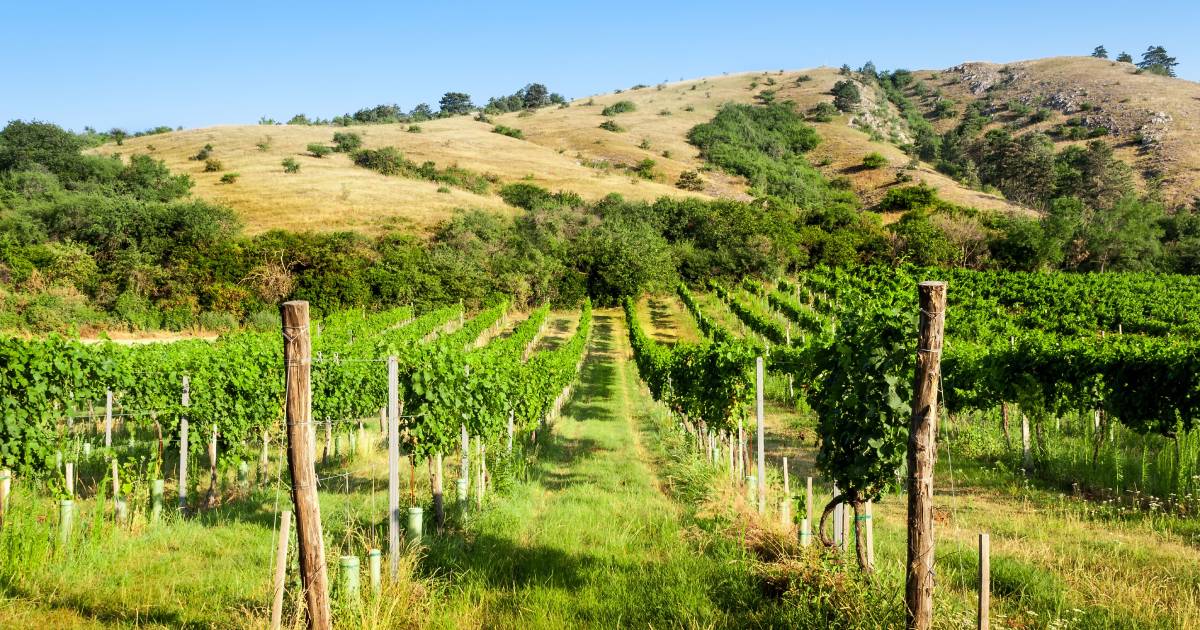
In 2025, Wine Spectator named a Dry Creek Valley Zinfandel grown on vines planted in the early 1900s its #3 wine in the entire world — a bottle poured most days at a tasting room forty minutes from Healdsburg’s town square. That’s the kind of recognition this list is built on: not an internal star rating (Sonoma Wineries doesn’t run one), but the scores, awards, and reputations outside critics and institutions have handed these wineries over decades.
How We Picked These Wineries
“Top rated” is doing real work in that search phrase, so we’re doing real work to earn it. Every winery below has a specific, checkable reason for being here — a Wine Spectator or Wine Enthusiast score in the 90s, a James Beard Award winemaker, a first-of-its-kind winemaking innovation, or a spot on the White House wine list. We’re not ranking them 1 through 9; Sonoma’s best wineries aren’t interchangeable enough for that. Think of this as nine different answers to “what does top rated actually mean here,” organized by the AVA you’d visit them in.
A quick note on what those critic scores mean, since it comes up in every tasting room conversation: publications like Wine Spectator and Wine Enthusiast score wines on a 100-point scale, and anything from 90–100 is generally considered “outstanding” to “classic.” A handful of the wines below score in the mid-90s, which puts them in rare company — most wines released in a given year never crack 90. Scores are a snapshot of one wine in one vintage, not a permanent grade on the winery, which is why we’ve also weighted history, innovation, and independent institutional recognition alongside the numbers.
Alexander Valley: Two Approaches to One Grape
Jordan Vineyard & Winery has made exactly two wines — Cabernet Sauvignon and Chardonnay — since its French-inspired estate opened on 1,200 rolling acres in 1972. That’s not a limitation; it’s the whole philosophy: depth over breadth, in a Bordeaux-style château built specifically to make that point. We’ve written a full visit guide to Jordan if you want the details on what a reservation actually gets you.
Silver Oak Cellars takes the same one-varietal focus even further — Cabernet Sauvignon, aged exclusively in American oak, and nothing else, since 1972. Its Alexander Valley winery, completed in 2018, is LEED Platinum certified alongside its Napa counterpart, and it’s one of the few high-profile Alexander Valley producers where walk-ins are welcome for small parties. Silver Oak’s annual Release Day, running since 1990, still draws fans who show up early for first crack at the new vintage. Read more on Alexander Valley Cabernet and how it stacks up against Napa’s.
Dry Creek Valley & Rockpile: Where Zinfandel Gets Serious
This is the pair that opened this article. Ridge Vineyards Lytton Springs sources from a Dry Creek Valley vineyard planted in the early 1900s, and its 2023 Lytton Springs Zinfandel didn’t just score well — it landed at #3 on Wine Spectator’s 2025 Top 100 Wines of the Year, against every wine made anywhere on Earth that vintage. Ridge’s longtime winemaker Paul Draper won a James Beard Award for winemaking in 2007, and the house style still reflects his approach: native-yeast fermentation, minimal filtration, and a refusal to chase trends. The tasting room itself is a straw-bale, largely solar-powered building, which tells you something about how seriously Ridge takes the “we honor this site” pitch.
Mauritson Wines works the rugged, high-elevation Rockpile AVA above Lake Sonoma along with Dry Creek Valley proper, and its single-vineyard Zinfandels have pulled 94–95 point scores from Wine Enthusiast, Robert Parker’s The Wine Advocate, and Jeb Dunnuck across multiple vintages. The high-water mark is Black Sheep, Mauritson’s “tête de cuvée” blend of its best Rockpile barrels — the 2014 vintage scored 95 points from Robert Parker’s The Wine Advocate and 93 from Wine Spectator, which also featured it in that year’s roundup of standout California Zinfandels. Rockpile’s thin, rocky soils and elevation above the fog line push the vines to struggle in a way that concentrates flavor, which is a lot of the reason these wines score the way they do. Reservations are required and worth booking ahead.
Nine wineries is a start, not the whole map — Sonoma County has hundreds of tasting rooms across nineteen AVAs. Browse the full directory to build out the rest of your list.
Sonoma Valley & Moon Mountain: The Historical Case
Hanzell Vineyards doesn’t need a critic score to make this list — it needs a history book. Founded in 1953 by former U.S. ambassador James D. Zellerbach, Hanzell built the first stainless-steel fermentation tanks used anywhere in California, a technique that’s now standard across the entire wine industry, and was among the first American wineries to age exclusively in French oak. Its estate vineyard, planted the same year on the slopes of Moon Mountain, is considered among the oldest continuously producing Chardonnay and Pinot Noir vines in the Western Hemisphere. Visits are appointment-only and draw a genuinely wine-serious crowd — this isn’t a casual stop.
Russian River Valley & Green Valley: Cool-Climate Specialists
Three of Sonoma’s most decorated cool-climate producers cluster in this corner of the county.
Gary Farrell Vineyards & Winery sits on a hilltop above Westside Road, pouring single-vineyard Pinot Noir and Chardonnay sourced from legendary sites like Rochioli and Bacigalupi that founder Gary Farrell first worked with as a winemaker in the 1980s. More than 40 years of those grower relationships later, individual bottlings routinely score in the 90s from Wine Spectator and Wine Enthusiast, and Wine & Spirits Magazine has named it a Top 100 Winery.
La Crema Estate at Saralee’s Vineyard has been making the case for Sonoma Coast Pinot Noir since 1979, back when most American wine drinkers still associated Pinot almost exclusively with Burgundy — the winery’s original name, La Crema Viñera, translates to “the best of the vine.” The estate tasting room sits in a converted early-1900s barn on Saralee’s Vineyard in Windsor, one of the sites that helped establish Russian River Valley’s reputation for cool-climate Pinot Noir and Chardonnay.
Iron Horse Vineyards has poured its sparkling wine at the White House for seven consecutive presidential administrations, starting with the 1985 Reagan–Gorbachev summit. Founded in 1976 by the Sterling family on a 260-acre estate in the Green Valley sub-AVA — one of the coolest, foggiest corners of Russian River Valley — the tasting room is entirely outdoors, with sweeping views toward Mt. St. Helena. Bring a jacket even in August.
Chalk Hill: The Volcanic Ash Outlier
Chalk Hill Estate Vineyards & Winery anchors its own sub-AVA of Russian River Valley with 1,300 estate acres and a Chardonnay program dating to 1972, built on volcanic ash soils — deposited by an ancient Mt. St. Helena eruption — that most visitors mistake for actual chalk. Our Chalk Hill Chardonnay guide goes deep on why that soil produces a noticeably different Chardonnay than the rest of the Russian River corridor.
Planning a Multi-Winery Day
These nine wineries cluster into a few natural pairings, which matters more than it sounds like it should — Sonoma County’s back roads are scenic but slow, and cramming AVAs that are 40 minutes apart into one afternoon is how good trips go sideways.
- Alexander Valley day: Jordan and Silver Oak sit close enough to visit both without rushing. Both require advance booking, so lock in times before you go rather than hoping to walk on.
- Dry Creek Valley + Rockpile day: Ridge Lytton Springs and Mauritson are a short drive apart on the west side of Dry Creek Valley. Rockpile itself sits higher and further out, so budget extra driving time if a Mauritson visit includes their Rockpile tasting.
- Russian River Valley day: Gary Farrell, La Crema, and Iron Horse can realistically be strung together along Westside Road and into Green Valley, though three appointment-based tastings in one day is ambitious — two is more comfortable.
- Standalone visits: Hanzell (Sonoma Valley) and Chalk Hill Estate (its own sub-AVA) don’t cluster naturally with the others and are worth building a day around rather than squeezing in.
Visiting During Harvest Season
Publishing this in September isn’t an accident — harvest season is when interest in Sonoma wineries peaks, and for good reason. Crush is happening, tasting rooms are busiest, and several of these wineries — Hanzell, Jordan, Gary Farrell, Mauritson — require reservations that fill up fastest between late September and early November. Book two to four weeks out if you can, especially for weekend slots.
Nine appointment policies, nine different personalities, one trip to plan. Try the Wine Concierge tool to match your taste and schedule against wineries like these — including the ones that didn’t make this particular list.
FAQs
What makes a winery “top rated” in Sonoma County?
There’s no official ratings body for Sonoma wineries. This list uses external, checkable signals instead — scores from Wine Spectator, Wine Enthusiast, and other major critics; recognized winemaking firsts; and institutional honors like White House placements or James Beard Award winemakers.
Do I need reservations to visit these wineries?
Most do. Hanzell, Jordan, Gary Farrell, and Mauritson are appointment-only or strongly recommend booking ahead. Silver Oak welcomes walk-ins for small parties, and Iron Horse’s outdoor tasting room is more flexible — but call ahead during harvest season regardless.
What’s the best time of year to visit Sonoma’s top wineries?
September through November is harvest season and the busiest, most in-demand stretch, so book well ahead. Late spring and early summer offer similar scenery with more availability and cooler temperatures.
Are these the only great wineries in Sonoma County?
Not remotely. Sonoma has hundreds of tasting rooms across nineteen AVAs, and plenty produce excellent wine without chasing critic scores. This list highlights nine with strong, externally verifiable reputations — use Browse to explore the rest.
Which Sonoma AVA has the most acclaimed wineries?
By this list, Dry Creek Valley and Alexander Valley are tied with two each, but that reflects this specific selection, not a ranking of the AVAs themselves. Russian River Valley, Sonoma Valley, and Chalk Hill each produce wineries with equally strong reputations.
How many of these wineries can I realistically visit in one day?
Two is comfortable, three is ambitious. Most of these tastings run 60–90 minutes and require advance booking, and Sonoma’s rural roads take longer to drive than the map suggests. Pairing wineries within the same AVA — Jordan with Silver Oak, or Ridge with Mauritson — keeps drive time manageable.